
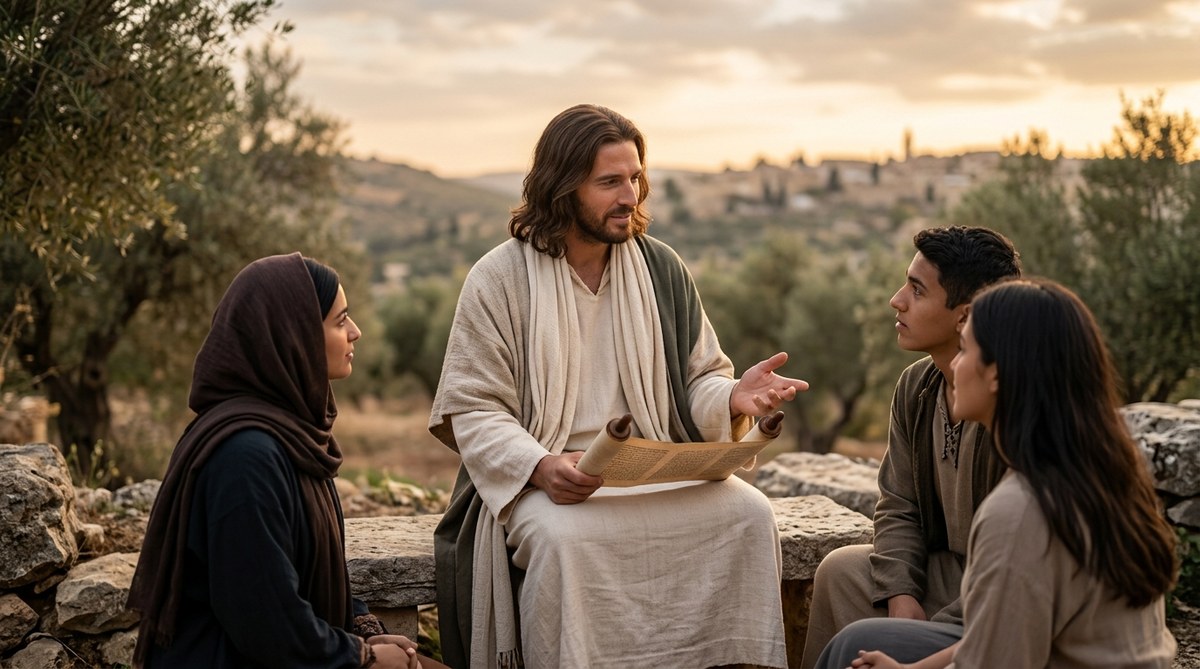
Two thousand years ago, a Jewish carpenter from a small town called Nazareth changed the world forever. His name was Yeshua, which we translate as Jesus. Today, over 2.4 billion people across the globe identify as his followers. But who was this man? What did he actually teach? And why does his story continue to spark hope, controversy, and curiosity in 2026? This guide is for anyone starting from scratch. No church background required. No pressure to believe anything. Just a clear look at the historical life and mission of Jesus Christ.
Jesus Christ is the central figure of Christianity. Christians believe he is both fully human and fully divine, sent by God to rescue humanity from sin and restore our relationship with our Creator. His life included radical teachings about love, forgiveness, and the Kingdom of God, culminating in his crucifixion and resurrection. This event, celebrated at Easter, forms the foundation of the Christian faith and offers the promise of eternal life to everyone who believes.
The Historical Jesus: A Real Man in a Real Time
Historians, whether religious or not, agree that Jesus of Nazareth was a real person. He lived in the first century, during the reign of Roman Emperor Tiberius. He was born to a Jewish mother named Mary in the town of Bethlehem, though he grew up in Nazareth in the region of Galilee.
Jesus was a Jewish teacher, or rabbi. He gathered a group of twelve close followers called disciples. He traveled through villages and towns, teaching in synagogues and outdoors. His ministry lasted about three years. He was executed by crucifixion under the Roman governor Pontius Pilate around the year 33 AD.
These facts are supported by non-Christian sources too. The Roman historian Tacitus wrote about Jesus’ execution. The Jewish historian Josephus mentioned him. Even the Talmud, a central Jewish text, references him. So when we ask “Who is Jesus Christ?”, we start with a real person who walked the dusty roads of ancient Israel.
What Did Jesus Actually Teach?
Jesus’ teachings were simple on the surface but incredibly challenging to live out. They centered on a few major themes.
The Kingdom of God
Jesus talked about the “Kingdom of God” more than anything else. He said this kingdom was not a physical place like Rome or Jerusalem. It was a new way of living where God’s love and justice ruled people’s hearts. He taught that this kingdom was both already here and still coming.
Love Your Enemies
This was a radical idea in a world ruled by Roman violence. Jesus told his followers to pray for those who hurt them, to forgive endlessly, and to put others’ needs before their own. He said the entire Jewish law could be summed up in two commands: love God completely, and love your neighbor as yourself.
The Parables
Jesus often taught using short stories called parables. These were everyday tales about farmers, fishermen, and families that carried deeper spiritual meaning. For example, the story of a son who leaves home, wastes his inheritance, and returns to a forgiving father is a picture of God’s grace. You can read more about this in our guide on what does the Parable of the Prodigal Son really mean.
Repentance and Forgiveness
Jesus called people to turn away from selfish living and toward God. He offered forgiveness freely, even to people society had rejected: tax collectors, prostitutes, and foreigners. This upset religious leaders who thought you had to earn God’s favor through strict rule-keeping.
Why Do Christians Believe Jesus Is the Son of God?
This is the big question. Jesus claimed things that a normal teacher would never say. He said he could forgive sins, something only God can do. He said he was “one with the Father.” He accepted worship from his followers.
Christians point to three major events that back up these claims.
-
The Miracles: The Gospels record Jesus healing the blind, calming storms, feeding thousands with a few loaves of bread, and even raising dead people back to life. These acts showed he had authority over nature, sickness, and death.
-
The Resurrection: Three days after his crucifixion, Jesus’ tomb was found empty. Over 500 people saw him alive again over a period of forty days. This event is the cornerstone of Christianity. If Jesus rose from the dead, it validates everything he said about himself.
-
Fulfilled Prophecy: The Old Testament, written centuries before Jesus was born, contains dozens of predictions about the Messiah. These include where he would be born, how he would die, and that he would rise again. For a deeper look, check out our list of 7 Old Testament prophecies that point directly to Jesus.
The Mission: Why Did Jesus Come?
Christians believe Jesus didn’t just come to give good advice. He came on a rescue mission.
The Problem: Separation From God
The Bible teaches that humanity has a problem called sin. Sin is not just doing bad things. It is a condition of rebellion against God. It creates a gap between us and our Creator. No amount of good behavior can fix this gap.
The Solution: Jesus the Bridge
Jesus lived a perfect, sinless life. He then willingly died on a cross, taking the punishment for humanity’s sin upon himself. His death paid the debt we could not pay. His resurrection proved his victory over death.
“For God so loved the world that he gave his one and only Son, that whoever believes in him shall not perish but have eternal life.” (John 3:16)
This is the gospel, which means “good news.” It is the message that through Jesus, anyone can be forgiven and restored to a relationship with God. You can find a simpler breakdown in our article on the gospel message explained in simple terms.
How Someone Responds
The Christian faith is not just about agreeing with facts. It is about a personal response.
- Believe that Jesus is who he said he is.
- Repent by turning away from your old way of living.
- Confess with your mouth that Jesus is Lord.
- Follow him as a disciple.
Common Misunderstandings About Jesus
Many people have ideas about Jesus that don’t match what the Bible actually says. Let’s clear up a few.
| Misunderstanding | The Reality |
|---|---|
| Jesus was just a good moral teacher. | A good moral teacher would not claim to be God unless it was true. Jesus claimed divine authority. |
| Jesus came to start a new religion. | Jesus was Jewish. He came to fulfill the Jewish Scriptures and bring salvation to all people, both Jews and non-Jews. |
| Christianity is about following rules. | Christianity is about a relationship with God through Jesus, not earning salvation by being good enough. |
| Jesus was a passive, gentle pushover. | Jesus showed anger at injustice, flipped tables in the temple, and spoke boldly against hypocrisy. |
A Beginner’s Roadmap for Learning More
If you want to understand Jesus better, you don’t need a theology degree. You just need curiosity and a willingness to read.
-
Start with a Gospel: The books of Matthew, Mark, Luke, and John are four accounts of Jesus’ life. Mark is the shortest and fastest-paced. Start there.
-
Read with an open mind: Don’t worry about understanding everything at once. Just ask yourself: Who is this person? What does he want?
-
Find a community: Talk to people who follow Jesus. Visit a local church. Ask questions. Most Christians love to talk about their faith.
-
Pray: If you are curious, you can simply say, “God, if you are real, show me who Jesus is.” Many people find that this simple prayer opens a door.
For a structured approach, our guide on how to read the Bible for the first time is a great next step. And if you want to understand the core beliefs that flow from Jesus’ identity, read about the 5 core beliefs every Christian should understand.
The Difference Jesus Makes Today
Jesus is not just a historical figure. Millions of people today say he is alive and actively involved in their lives. They talk about having a personal relationship with him. They pray to him. They say he gives them peace, purpose, and strength to face difficult times.
This is the heart of Christianity. It is not a philosophy to study. It is a person to know. The question “Who is Jesus Christ?” is not just a trivia question. It is an invitation.
You do not have to have everything figured out. You do not need to clean up your life first. Jesus consistently welcomed people who were messy, broken, and unsure. He still does.
Take a step. Read a Gospel. Ask a question. See where the journey leads. You might find that the answer to “Who is Jesus Christ?” changes everything.