
The underground church movement in Iran represents one of the fastest growing Christian communities in the world, despite operating under constant threat. Believers gather in homes, basements, and hidden locations to worship, pray, and study scripture while facing imprisonment, torture, and even death if discovered. This remarkable expansion challenges conventional understanding of how faith communities grow under extreme pressure.
Iran’s underground church has grown from fewer than 500 believers in 1979 to an estimated 800,000 to 1 million today. These Christians meet secretly in house churches, face severe legal consequences including lengthy prison sentences, and rely on encrypted digital tools for scripture access. Despite government crackdowns, the movement continues expanding through personal testimonies, family networks, and disillusionment with state-mandated Islam.
The Rise of Secret Worship in Iran
The Islamic Revolution of 1979 transformed Iran’s religious landscape overnight. Christians who had worshiped openly for generations suddenly found themselves targets of suspicion and persecution. The new government viewed conversion from Islam to Christianity as apostasy, a crime punishable by death under their interpretation of Islamic law.
What started as a small group of believers meeting in secret has become a nationwide network. House churches now operate in every major Iranian city. Tehran alone hosts hundreds of these gatherings, each typically consisting of 10 to 20 members who rotate meeting locations to avoid detection.
The growth defies logic. When governments restrict something, it often diminishes. But Iran’s Christian community has multiplied exponentially. Researchers attribute this to several factors: disillusionment with mandatory Islamic practices, the appeal of forbidden knowledge, and the powerful testimonies of converts willing to risk everything for their faith.
How Underground Churches Operate
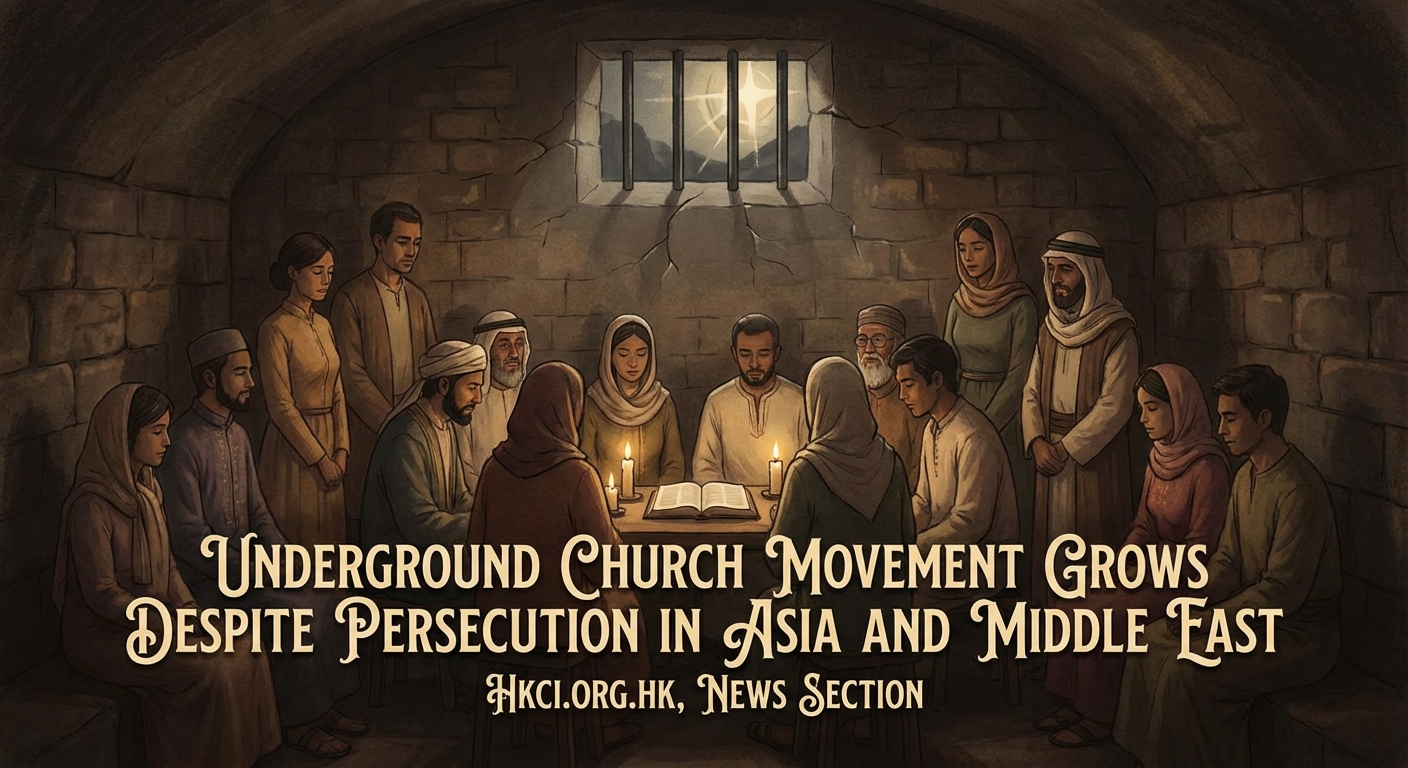
The structure of Iran’s house church network reflects careful adaptation to surveillance and persecution. These communities function differently from traditional congregations in free societies.
Meeting Patterns and Security Measures
Believers never meet at the same location two weeks in a row. Host homes change constantly. Members receive meeting information through encrypted messaging apps just hours before gathering. They arrive and leave at staggered times to avoid drawing attention from neighbors.
Windows get covered. Music stays quiet or uses headphones. Bibles and Christian materials hide in false book covers or digital devices. Some groups even develop code words for religious terms in case conversations get intercepted.
The typical gathering lasts two to three hours. Members share meals, worship through quiet singing, study scripture together, and pray for imprisoned believers. Leadership rotates to prevent any single person from becoming too visible to authorities.
Communication and Resource Distribution
Physical Bibles remain scarce and dangerous to possess. Security forces conduct random house searches, and discovery of Christian materials leads to immediate arrest. This reality has pushed the movement toward digital solutions.
Believers use VPNs to access scripture, sermons, and teaching materials from outside Iran. They download content onto devices that appear to contain only secular information. Some memorize entire books of the Bible to eliminate physical evidence.
Discipleship happens through one-on-one relationships rather than large group teaching. Experienced believers mentor new converts in private settings. This cell structure protects the broader network if authorities infiltrate a single group.
The Cost of Faith
Iranian Christians face consequences that believers in free nations struggle to comprehend. The government views their faith as both religious apostasy and political subversion.
Legal Penalties and Prison Conditions
Convicted Christians typically receive sentences ranging from 10 to 15 years in prison. Charges often include “acting against national security” or “spreading propaganda against the Islamic Republic.” Authorities rarely mention Christianity directly in official charges, preferring to frame cases as political crimes.
Prison conditions deliberately break believers. Solitary confinement can last months. Physical torture remains common. Guards force Christian prisoners to participate in Islamic prayers and rituals. Family visitation gets restricted or denied entirely.
Some notable cases include:
- Pastor Youcef Nadarkhani, arrested in 2009 and held for over 1,000 days
- Maryam Rostampour and Marziyeh Amirizadeh, imprisoned for 259 days in Evin Prison
- Farshid Fathi, who served five years in prison and faced repeated torture
Social and Family Consequences
Conversion carries consequences beyond legal penalties. Families often disown converts. Employers fire them upon discovery. Children face expulsion from schools. Spouses can obtain automatic divorce.
The government denies converts access to higher education, government employment, and business licenses. This economic pressure aims to make Christian faith financially unsustainable.
Despite these hardships, believers report that persecution strengthens rather than weakens their commitment. Many describe their conversion as worth any cost.
Growth Despite Persecution
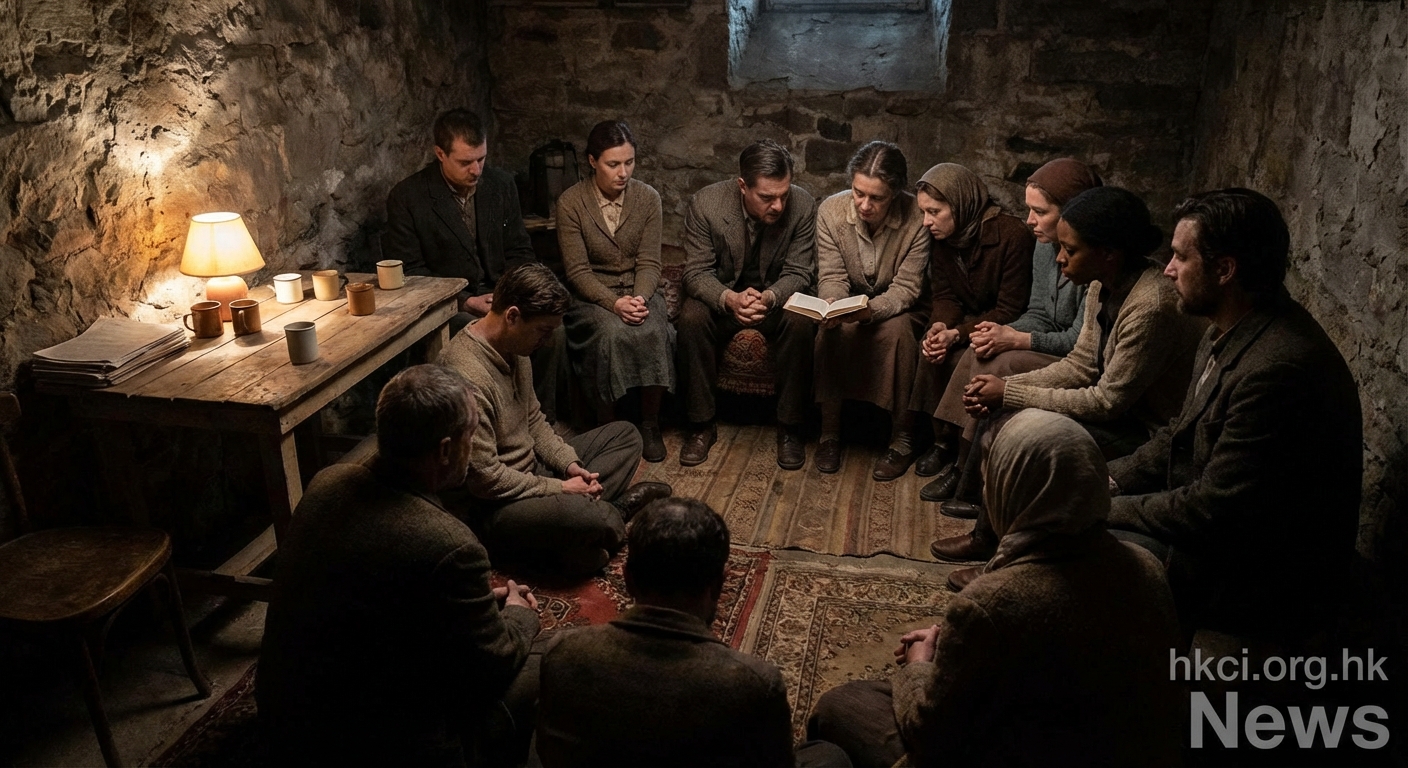
The expansion of Iran’s underground church contradicts typical patterns of religious suppression. Several factors contribute to this counterintuitive growth.
Conversion Pathways
Most Iranian Christians come from Muslim backgrounds. Their conversion journeys follow recognizable patterns:
- Disillusionment with mandatory Islamic practices creates spiritual searching
- Exposure to Christian content through satellite television or internet sources sparks curiosity
- Personal testimony from a trusted friend or family member provides human connection
- Private Bible study and prayer lead to personal conviction
- Baptism and incorporation into a house church community solidifies commitment
Dreams and visions play a significant role in many conversion accounts. Believers frequently report supernatural experiences that initiated or confirmed their faith journey. While difficult to verify, these testimonies hold deep meaning within the community.
Demographic Patterns
The underground church movement attracts particular demographics more than others:
- Young adults aged 20 to 35 form the largest group
- Urban residents convert at higher rates than rural populations
- Women outnumber men in most house churches
- Ethnic minorities, particularly Azerbaijanis and Kurds, show high conversion rates
- Former Muslims with higher education levels convert more frequently
These patterns suggest the movement appeals to those experiencing tension between traditional religious requirements and modern life aspirations.
Comparison of Persecution Methods
Iranian authorities employ various tactics to suppress Christian activity. Understanding these methods reveals how believers adapt and survive.
| Tactic | Implementation | Believer Response |
|---|---|---|
| Surveillance | Phone monitoring, informant networks, home cameras | Encrypted apps, code language, rotation of locations |
| Raids | Surprise home invasions during suspected meetings | Rapid dispersal plans, hidden materials, false identities |
| Imprisonment | Long sentences in harsh conditions | Support networks for families, international advocacy |
| Economic Pressure | Job loss, business closure, education denial | Underground economy, remote work, international support |
| Family Separation | Forced divorce, child custody removal | Legal challenges, extended family support, documentation |
| Media Campaigns | Public shaming, televised confessions | Counter-narratives, international media attention |
Each government action prompts adaptive responses. The movement functions like a living organism, evolving strategies to survive in hostile conditions.
International Support Networks
Iranian believers do not face persecution alone. A global network provides crucial support.
Material and Financial Assistance
International organizations smuggle Bibles and Christian literature into Iran through various channels. Some materials arrive through border crossings hidden in commercial goods. Digital content flows more freely through internet channels despite government censorship efforts.
Financial support helps imprisoned believers’ families survive. When the primary breadwinner goes to prison, families face immediate economic crisis. International donors provide monthly stipends, medical care, and educational expenses for children.
Advocacy and Awareness
Human rights organizations document persecution cases and pressure governments to raise concerns with Iranian officials. These efforts rarely produce immediate results but create long-term diplomatic pressure.
Media coverage brings international attention to specific cases. Public awareness campaigns sometimes lead to reduced sentences or improved prison conditions when Iranian authorities face global scrutiny.
“The church in Iran teaches believers everywhere an important lesson: persecution often produces growth rather than decline. When faith costs something, it means something. The Iranian believers show us that comfort and ease are not prerequisites for vibrant Christian community.” – Middle East ministry leader
Digital Tools and Scripture Access
Technology has transformed how Iranian Christians practice their faith. The shift from physical to digital resources represents one of the movement’s most significant adaptations.
Secure Communication Platforms
Believers rely heavily on encrypted messaging applications. These platforms allow coordination of meetings, sharing of resources, and maintenance of community connections without exposing participants to surveillance.
Common security practices include:
- Using VPNs to mask internet activity
- Creating separate devices for Christian content
- Employing disappearing message features
- Avoiding names or identifying information in digital communications
- Regular deletion of browsing history and downloaded files
These precautions require technical knowledge that older believers sometimes lack. Younger members often serve as technology guides for their communities.
Online Worship and Teaching
Satellite television broadcasts from outside Iran reach millions of homes. Programs in Farsi provide worship services, Bible teaching, and testimonies from other Iranian believers. The government jams these signals, but viewers constantly find new frequencies.
YouTube channels, podcasts, and streaming services offer additional content. Believers download materials during brief windows when VPNs successfully bypass government filters. They then share content through peer-to-peer transfers that leave no internet trail.
Some house churches conduct hybrid meetings where local participants gather physically while connecting digitally with isolated believers in remote areas or those under house arrest.
Women in the Underground Church
Women play distinctive roles in Iran’s secret Christian community. Their participation patterns and leadership contributions differ from traditional Middle Eastern religious structures.
Gender dynamics within house churches often surprise outside observers. Women lead worship, teach scripture, and make strategic decisions for their communities. This egalitarian approach contrasts sharply with both Islamic religious practice and traditional Christian structures in the region.
Female believers face unique vulnerabilities. If arrested, they risk sexual assault in custody. If married to Muslim men, they can lose custody of children automatically upon conversion. Despite these dangers, women comprise an estimated 60 to 65 percent of house church members.
Their commitment stems partly from the freedom and dignity they find in Christian teaching. Many report that the gospel message of equal worth before God provides liberation from cultural restrictions they experienced under Islamic law.
Training the Next Generation
Discipleship in underground conditions requires creativity. Traditional seminary education is impossible. Bible schools do not exist. Formal theological training carries extreme risk.
The movement has developed alternative approaches:
- Mentorship relationships pair experienced believers with new converts for intensive one-on-one discipleship
- Digital courses from international seminaries reach students through encrypted channels
- Short-term intensive training occurs when believers travel outside Iran for “vacations” that are actually discipleship intensives
- Translated books and study materials circulate through digital networks
- Memorization of scripture compensates for lack of reference materials
Leadership development focuses on character and courage as much as knowledge. The movement needs leaders willing to accept imprisonment as an occupational hazard.
Common Mistakes and Effective Practices
Believers have learned through painful experience what behaviors increase risk and what practices enhance security.
| Mistake | Why It’s Dangerous | Better Practice |
|---|---|---|
| Meeting at same location regularly | Creates predictable pattern for surveillance | Rotate locations constantly |
| Sharing meeting details in advance | Allows time for informants to alert authorities | Communicate location only hours before gathering |
| Keeping physical Christian materials | Provides evidence during raids | Use digital resources and memorization |
| Discussing faith openly in public | Attracts attention from informants | Limit spiritual conversations to secure settings |
| Baptizing in public locations | Highly visible act that confirms conversion | Conduct baptisms in private homes |
| Using real names in digital communication | Creates evidence trail | Use code names and encrypted platforms |
These practices represent hard-won wisdom. Every security measure exists because someone paid a price for its absence.
Regional Variations
The underground church movement manifests differently across Iran’s diverse geography and ethnic landscape.
Tehran and Major Cities
Urban centers host the largest and most organized house church networks. Access to technology, higher education levels, and greater anonymity in crowded cities all contribute to Christian growth.
Tehran’s church operates with relative sophistication. Multiple networks function independently, providing resilience if authorities infiltrate one group. Resources flow more freely in the capital. International connections run deeper.
Rural and Border Areas
Remote regions present different challenges. Smaller populations make anonymity harder. Everyone knows everyone else’s business. Informant networks run deep through family and clan structures.
Yet rural areas also offer advantages. Government surveillance focuses primarily on cities. Remote locations provide meeting spaces far from prying eyes. Border regions allow easier access to materials from neighboring countries.
Ethnic Minority Regions
Kurdish, Azerbaijani, and Arab regions of Iran show particularly high conversion rates. These ethnic minorities experience double marginalization as both religious and ethnic minorities within a Persian Shia-dominated state.
Christianity offers these communities both spiritual meaning and cultural distinction from the central government. Some house churches conduct services in minority languages rather than Farsi, adding another layer of cultural identity to their faith practice.
The Role of Diaspora Communities
Millions of Iranians live outside their homeland. These diaspora communities provide crucial support for the underground church movement.
Resource Creation
Iranian Christians living in free countries create content for believers back home. They produce Farsi-language worship music, teaching videos, Bible study materials, and discipleship courses specifically designed for underground contexts.
This content gets uploaded to platforms accessible through VPNs. Believers in Iran download materials and share them through local networks. The diaspora essentially functions as the publishing arm of a movement that cannot produce materials domestically.
Financial Support
Diaspora churches collect offerings specifically designated for persecuted believers in Iran. These funds support imprisoned believers’ families, help with legal fees, and provide emergency assistance when believers lose employment.
Money transfers require creativity to avoid government detection. International organizations serve as intermediaries, moving funds through channels that protect both donors and recipients.
Advocacy Platforms
Iranian Christians abroad speak publicly in ways domestic believers cannot. They testify before government bodies, participate in media interviews, and lead advocacy campaigns. Their voices amplify stories that would otherwise remain hidden.
This advocacy keeps international pressure on Iranian authorities. While rarely producing immediate change, sustained attention creates long-term diplomatic costs for persecution policies.
Theological Distinctives
The underground church movement has developed theological emphases shaped by its persecution context.
Suffering occupies a central place in Iranian Christian theology. Believers view persecution not as an unfortunate circumstance but as an expected and even privileged aspect of authentic faith. This perspective draws heavily from New Testament passages about sharing in Christ’s sufferings.
Martyrdom theology receives serious attention. Believers prepare mentally and spiritually for the possibility of death. House churches discuss what faithful witness looks like under interrogation. This is not abstract theology but practical preparation.
The movement also emphasizes supernatural elements. Dreams, visions, healing, and spiritual warfare feature prominently in believer testimonies and teaching. This pneumatological focus reflects both charismatic influences from international connections and cultural receptivity to supernatural explanations.
Ecclesiology has adapted to underground realities. Iranian believers understand “church” primarily as relationships rather than buildings or institutions. This New Testament model functions as both theological conviction and practical necessity.
Government Response Evolution
Iranian authorities have adjusted their persecution strategies as the underground church movement has grown.
Early responses focused on public executions and harsh sentences designed to create fear. Pastor Hossein Soodmand’s execution in 1990 exemplified this approach. Authorities intended his death to serve as a warning.
This strategy backfired. Martyrdom inspired rather than deterred believers. International condemnation created diplomatic costs. The government shifted tactics.
Current approaches emphasize:
- Longer prison sentences rather than executions to avoid martyrdom narratives
- Framing charges as political crimes rather than religious offenses
- Targeting leaders while tolerating ordinary members
- Using psychological pressure and family separation instead of only physical torture
- Sophisticated digital surveillance rather than relying solely on informant networks
These evolved tactics prove more effective at disrupting church networks while generating less international criticism. The movement continues adapting to these changing threats.
Measuring Growth
Estimating the size of a secret movement presents obvious challenges. No official statistics exist. Believers have strong incentives to remain uncounted. Yet researchers attempt to track growth through various methods.
Survey data from Iranians living abroad provides one indicator. When asked about religious identity, increasing percentages identify as Christian or express openness to Christianity. These attitudes likely reflect trends within Iran itself.
Satellite television viewership offers another metric. Christian broadcasts in Farsi reach an estimated 20 million Iranian viewers. While viewing does not equal conversion, it indicates widespread exposure to Christian teaching.
House church leaders provide estimates based on their network knowledge. These insiders suggest current numbers range from 800,000 to 1 million believers. Growth rates appear to be accelerating rather than slowing.
Digital engagement metrics show increasing interaction with Christian content. Website visits, video views, and download statistics all trend upward. The audience for Christian materials in Farsi continues expanding.
Future Trajectories
The underground church movement in Iran faces an uncertain future shaped by multiple factors.
Demographic Shifts
Iran’s population is young, urban, and increasingly connected to global information flows. These demographics favor continued Christian growth. Younger Iranians show less attachment to mandatory Islamic identity and more openness to alternative spiritual paths.
Economic pressures also drive spiritual searching. High unemployment, inflation, and limited opportunities create disillusionment with the Islamic Republic’s promises. Some Iranians view Christianity as both spiritual answer and cultural rejection of the regime.
Political Changes
Iran’s political future remains unpredictable. Potential scenarios include continued hardline control, gradual liberalization, or sudden regime change. Each would affect the church differently.
Continued persecution under hardline rule would likely produce continued growth based on current patterns. Gradual liberalization might allow more open practice but could also reduce the intensity that fuels rapid expansion. Sudden regime change could bring either religious freedom or chaotic violence.
Technological Developments
Advancing surveillance technology threatens underground networks. Facial recognition, artificial intelligence analysis of digital communications, and sophisticated tracking tools all pose new risks.
Yet technology also empowers believers. Encryption improves. Decentralized communication platforms emerge. Believers stay ahead of surveillance through constant adaptation. This technological arms race will shape the movement’s future.
Faith That Refuses to Hide
The underground church movement in Iran demonstrates that persecution cannot extinguish faith communities committed to their convictions. Believers there face realities that Christians in free societies can barely imagine, yet they continue gathering, worshiping, and sharing their faith with others.
Their example challenges comfortable assumptions about what church requires. Buildings, public recognition, legal protection, and social acceptance all prove non-essential. What matters is commitment, community, and courage.
For those interested in supporting persecuted believers, several practical steps make a difference. Pray specifically for imprisoned Christians by name. Support organizations that provide material assistance to affected families. Advocate with government representatives to raise these issues in diplomatic contexts. Stay informed about specific cases and share their stories.
The believers in Iran are not asking for pity. They are living their faith with remarkable joy despite the cost. Their witness reminds the global church that the gospel thrives under pressure and that authentic faith always costs something worth paying.