

Loneliness has become an epidemic, even in our most connected spaces. Church buildings fill with people every week, yet many leave feeling more isolated than when they arrived. The digital age promised connection but often delivers shallow interactions that leave us craving something deeper.
Churches can combat loneliness by creating intentional spaces for authentic connection, training members to recognize isolation, leveraging technology wisely, building intergenerational relationships, supporting life transitions, fostering vulnerability in community, and developing ongoing care systems. These strategies transform congregations from Sunday gatherings into genuine communities where people feel known, valued, and connected throughout the week.
Understanding loneliness in your congregation
Loneliness looks different than it used to. Someone can have 500 social media friends and still feel completely alone. They might attend every service, volunteer regularly, and still go home to empty silence.
The challenge for church leaders is that lonely people rarely announce their struggle. They smile during greeting time. They say “fine” when asked how they’re doing. They slip out the side door before anyone can start a real conversation.
Recent studies show that chronic loneliness affects physical health as severely as smoking 15 cigarettes daily. It increases the risk of heart disease, depression, and early death. When we ignore loneliness in our churches, we’re not just missing a pastoral opportunity. We’re watching people suffer in silence.
Your congregation likely includes single parents who haven’t had an adult conversation all week. Young adults who moved to the city for work and know nobody. Widows and widowers navigating grief alone. College students far from home. Empty nesters adjusting to quiet houses.
Each of these people chose to walk through your doors. That’s significant. They’re looking for something they haven’t found elsewhere.
Create intentional connection points beyond Sunday
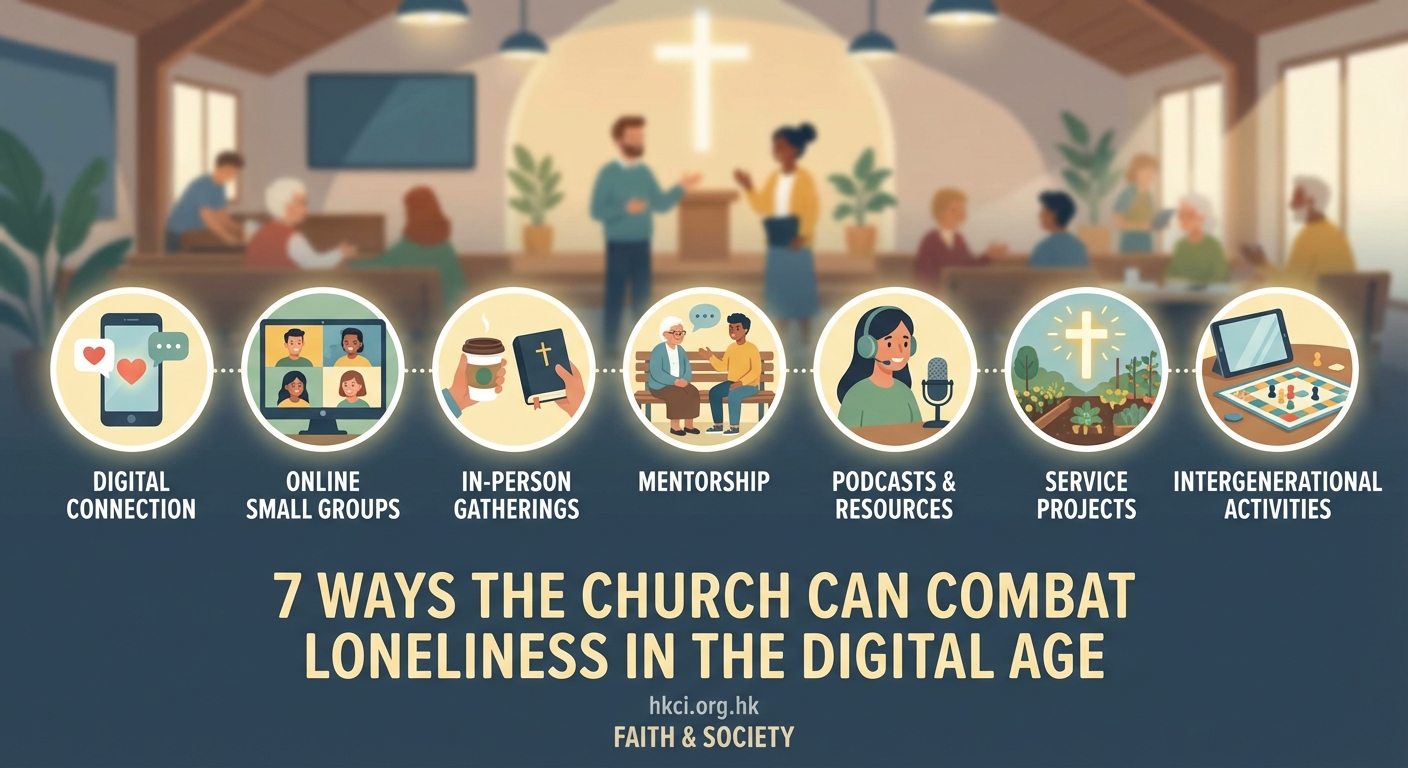
Sunday morning services aren’t designed for relationship building. People arrive, sit in rows facing forward, and leave. You need structured opportunities for face-to-face interaction.
Small groups work when they’re actually small. Eight to twelve people max. Larger groups allow people to hide. They show up, listen, and leave without sharing anything personal.
Here’s what makes small groups effective:
- Meet in homes rather than church buildings
- Share a meal together every time
- Limit teaching to 20 minutes maximum
- Spend most of the time in conversation
- Rotate hosting responsibilities
- Keep the same group together for at least six months
But small groups alone won’t reach everyone. Some people find traditional Bible studies intimidating. Others have schedule conflicts.
Offer diverse connection options. Book clubs. Hiking groups. Game nights. Service projects. Cooking classes. Parenting support circles. Men’s breakfast gatherings. Women’s coffee meetups.
The activity matters less than the consistency. When people see the same faces regularly, relationships deepen naturally.
One church started “third place” gatherings at local coffee shops and parks. No formal program. No teaching. Just members meeting to hang out. Attendance exceeded their traditional small groups within three months.
Train your congregation to spot isolation
Most church members walk past lonely people every Sunday without noticing. They’re not uncaring. They simply don’t know what to look for.
Teach your congregation these warning signs:
- Always arrives alone and leaves immediately after service
- Sits in the same spot every week, usually near exits
- Avoids eye contact during greeting time
- Never mentions family, friends, or weekend plans
- Declines invitations without offering alternatives
- Shows up less frequently over time
Then equip them with simple responses. Not everyone needs to be a counselor. Sometimes people just need an invitation to lunch.
Create a “buddy system” for newcomers. Assign established members to check in with new attendees for their first three months. A text on Tuesday. A coffee invitation. An introduction to others with similar interests.
One pastor implemented a “table for one” initiative. Members who ate alone during fellowship meals wore special name tags. Others were encouraged to join them. It eliminated the awkward scanning for an empty seat while feeling everyone’s eyes on you.
Use technology to strengthen real relationships

Technology isn’t the enemy of connection. Misused technology is. The same tools that enable endless scrolling can facilitate genuine community when applied thoughtfully.
Start a church app or messaging group, but establish clear purposes. Use it for:
- Prayer request sharing with real-time updates
- Coordinating meal trains for families in need
- Organizing spontaneous gatherings
- Celebrating milestones and good news
- Checking in on members during difficult weeks
Don’t let it replace in-person interaction. Use digital tools to prompt face-to-face meetings, not substitute for them.
One congregation created a “coffee date” matching system. Members indicated their availability, and the system paired them with someone they hadn’t met before. Both received a notification with a suggested coffee shop and time. The church covered the cost of drinks.
Video calls help homebound members participate in small groups. They’re not ideal, but they’re infinitely better than complete isolation.
Consider starting a church podcast where members share their stories. Not polished testimonies. Real conversations about struggles, doubts, and daily life. It helps people realize others share their experiences.
Build bridges across generations
Age-segregated ministry creates silos. Youth hang with youth. Seniors stick with seniors. Young families form their own circles. Everyone misses out on wisdom, energy, and perspective from other life stages.
Intentionally mix generations in service projects, small groups, and leadership teams. A 70-year-old widow and a 25-year-old single professional have more in common than they think. Both navigate solo living. Both face questions about purpose and belonging.
Create mentorship programs that go both ways. Older members teach life skills like home repair, cooking, or financial management. Younger members help with technology, social media, or navigating modern culture.
Host intergenerational events built around shared activities rather than age-specific interests. Community service days. Talent shows. Potlucks where everyone brings their cultural heritage foods. Storytelling nights where different generations share their experiences.
One church paired college students with empty nesters. Students got home-cooked meals and parental figures. Empty nesters got energy and purpose. Both groups reported significant decreases in loneliness.
Families with young children often feel isolated. Their schedules revolve around nap times and early bedtimes. Connect them with retirees who miss having little ones around. Grandparent-type figures who’ll come to soccer games and school plays.
Support people through major transitions
Life changes trigger loneliness even in previously connected people. A new job means leaving work friends. A move disrupts neighborhood relationships. Retirement eliminates daily coworkers. Divorce splits social circles. Kids leaving for college creates empty homes.
Your church should have systems to identify and support people during these vulnerable seasons.
| Transition Type | Common Struggles | Church Response |
|---|---|---|
| New to area | No local connections, unfamiliar with community | Assign local guide, provide area resource list |
| Job loss | Loss of identity and routine, financial stress | Connect with job networking group, offer practical support |
| New parents | Exhaustion, isolation, identity shift | Organize meal delivery, create parent support group |
| Divorce | Shame, fractured friendships, logistical overwhelm | Provide divorce care group, help with practical needs |
| Empty nest | Purpose questions, relationship adjustment | Connect with others in same stage, explore new service opportunities |
| Retirement | Routine loss, reduced social contact | Help find volunteer roles, facilitate hobby groups |
Assign transition coaches. Not counselors. Just people who’ve been through similar experiences and can walk alongside others navigating the same path.
Create a “new season” class that meets quarterly. Anyone going through major life changes attends together. They learn they’re not alone in feeling disoriented.
Check in at specific intervals. Two weeks after someone shares big news. One month later. Three months later. Six months later. Most churches offer immediate support then forget as time passes. But loneliness often intensifies after initial attention fades.
Foster vulnerability and authentic sharing
Surface-level Christianity breeds loneliness. When everyone pretends life is perfect, struggling people feel defective. They hide their pain, which intensifies isolation.
Model vulnerability from the front. Pastors who only share victories from the pulpit create unrealistic expectations. Share current struggles, not just resolved ones with neat lessons attached.
“Vulnerability is not winning or losing; it’s having the courage to show up and be seen when we have no control over the outcome.” This truth applies equally in church community. When leaders demonstrate authentic sharing, permission spreads throughout the congregation.
Restructure sharing times in small groups. Instead of asking “How can we pray for you?” try “What’s been hard this week?” or “Where did you see God in ordinary moments?” or “What made you feel most alive recently?”
Ban the phrase “I’m fine” during check-ins. It’s a conversation killer. Encourage specific responses. “I’m tired because my toddler was up all night.” “I’m anxious about a work presentation tomorrow.” “I’m grateful because my daughter called unexpectedly.”
One church implemented “failure Fridays” on social media. Members shared their weekly flops. Burnt dinners. Parenting mistakes. Work blunders. It created space for honesty and connection over shared imperfection.
Create confidential spaces for specific struggles. Addiction recovery groups. Mental health support. Grief circles. Financial stress workshops. People need to know they can share without judgment or gossip.
Train your congregation in active listening. Most people wait for their turn to talk rather than truly hearing others. Teach them to ask follow-up questions, reflect back what they heard, and resist the urge to immediately offer solutions.
Develop ongoing care and follow-up systems
Initial outreach means nothing without consistent follow-through. Someone visits your church, fills out a connection card, receives a welcome email, then hears nothing for months. That’s not hospitality. That’s a database entry.
Build a care system with multiple touchpoints:
- First-time visitors receive personal contact within 48 hours
- Someone reaches out weekly for the first month
- After one month, connect them with a small group or ministry team
- Assign a established member as their contact person for six months
- Check in quarterly after that first year
- Note important dates (birthdays, anniversaries, kids’ graduations) and acknowledge them
- When someone misses two consecutive Sundays, reach out personally
Use a simple tracking system. Spreadsheet. Church management software. Whatever works for your context. The tool matters less than the consistency.
Designate care coordinators for different demographics. Someone focused on young adults. Another on families. Another on seniors. They watch for patterns and gaps.
Create a meal ministry that extends beyond medical emergencies. New jobs that require long hours. Finals week for college students. Busy seasons at work. Sometimes people just need someone else to handle dinner.
Celebrate milestones publicly. Job promotions. Completed degrees. Anniversaries. Kids’ achievements. Cancer-free scans. Debt payoff. When the church notices and celebrates, people feel seen.
Don’t forget the faithful regulars. Churches often focus energy on newcomers while ignoring longtime members. The person who’s attended for 30 years might be just as lonely as the first-time visitor.
Building community that lasts
Combating loneliness isn’t a program you implement then check off your list. It’s a cultural shift that requires ongoing attention and adjustment.
Start small. Pick two or three strategies from this article and implement them well rather than attempting everything poorly. Train a core team who understands the vision. Give them authority to experiment and adjust.
Measure what matters. Don’t count attendance numbers. Track relationship depth. Survey your congregation about their sense of belonging. Ask who they’d call during a crisis. Find out if they have friends within the church they see outside of Sunday services.
Remember that lonely people often resist initial outreach. They’ve been disappointed before. They’ve learned to protect themselves. Persistence matters. So does respecting boundaries. Keep inviting without pressuring. Keep showing up without demanding reciprocation.
Your church has the potential to become the antidote to isolation that your community desperately needs. Not through bigger productions or better programs, but through genuine relationships where people feel known, valued, and connected. That starts with leaders who recognize loneliness as a serious issue and commit to addressing it with intention, creativity, and consistency. The effort you invest in building authentic community will transform not just individual lives but the entire culture of your congregation.