

The parable of the prodigal son stands as one of Jesus’ most beloved stories, yet its richness goes far beyond a simple tale of a wayward child returning home. This narrative from Luke 15 carries layers of meaning that speak to our relationship with God, the nature of repentance, and the surprising ways grace works in our lives.
The parable of the prodigal son meaning centers on God’s extravagant love and forgiveness for sinners who repent. Beyond the younger son’s redemption, Jesus reveals how religious pride can blind us to grace. The father represents God’s heart, the younger son shows genuine repentance, and the older brother exposes self-righteousness. This story transforms how we understand salvation, forgiveness, and our relationship with both God and fellow believers.
The Story’s Cultural Context
To grasp the parable of the prodigal son meaning fully, we need to understand how shocking this story was to Jesus’ original audience.
When the younger son asked for his inheritance early, he essentially told his father “I wish you were dead.” In first-century Jewish culture, this represented the ultimate disrespect. The father had every right to refuse or even disown him.
The son’s decision to live with pigs made him ceremonially unclean. For Jewish listeners, this detail wasn’t just about poverty. It symbolized complete separation from God’s covenant people.
The father’s response would have stunned everyone listening. Running to meet his son violated cultural norms for elderly men. Kissing him before he finished his rehearsed apology showed grace before repentance was complete. Throwing a party instead of imposing a probation period defied every expectation.
Jesus told this story to Pharisees and scribes who criticized him for eating with tax collectors and sinners. The parable directly challenged their understanding of who deserved God’s love.
Three Characters, Three Perspectives
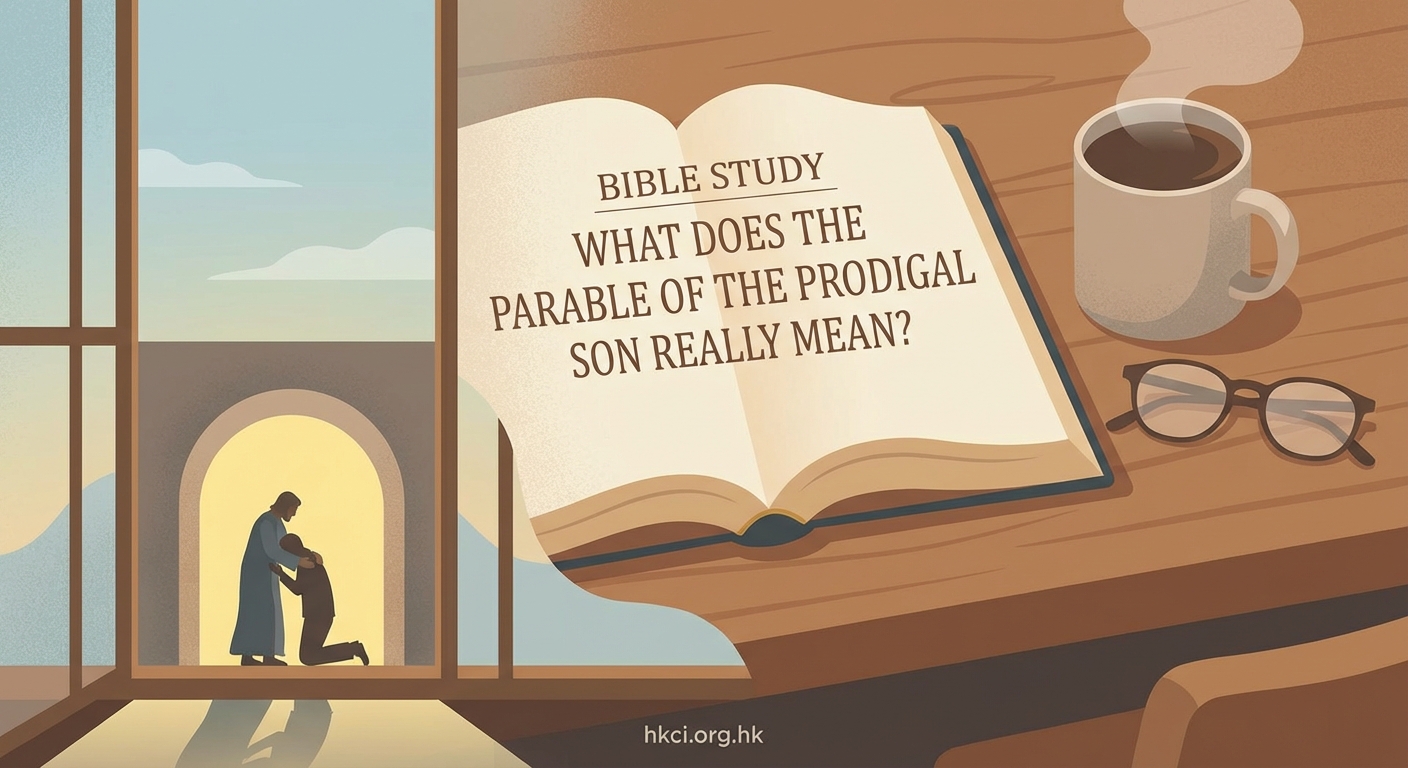
The Younger Son: Rebellion and Return
The younger son’s journey follows a pattern many recognize today.
He wanted freedom without responsibility. He confused independence with happiness. He thought distance from his father would bring fulfillment.
His descent happened in stages:
- Demanding his inheritance showed entitlement
- Traveling to a distant country represented deliberate separation
- Squandering wealth on reckless living revealed his true priorities
- Ending up with pigs demonstrated total degradation
The turning point came when “he came to his senses.” This phrase captures the essence of repentance. Not just feeling sorry about consequences, but recognizing the fundamental wrong of his choices.
His planned speech shows genuine humility. He didn’t expect restoration to sonship. He only hoped for hired servant status. This reveals he understood the gravity of his sin.
The parable of the prodigal son meaning includes this truth: God welcomes sincere repentance, no matter how far we’ve fallen.
The Father: Extravagant Grace
The father character represents God throughout the story.
His actions reveal God’s heart toward sinners:
- He allowed his son to leave, respecting free will
- He watched for his return, showing constant love
- He ran to meet him, demonstrating eagerness to forgive
- He interrupted the apology to restore full sonship
- He threw a celebration, revealing joy over repentance
The robe, ring, and sandals weren’t just nice gestures. Each item carried symbolic weight. The robe signified honor. The ring represented authority. The sandals marked him as a son, not a slave.
The father’s compassion appears twice in this parable. Once for the younger son, once for the older. This detail matters tremendously for understanding the complete message.
The Older Son: Religious Pride
Many Bible studies focus on the younger son and miss the parable’s most challenging character.
The older son represents the Pharisees listening to Jesus. He also represents anyone who serves God from duty rather than love.
His complaint reveals his heart: “All these years I’ve been slaving for you and never disobeyed your orders. Yet you never gave me even a young goat.”
Notice the language. “Slaving.” His service came from obligation, not relationship. He viewed obedience as earning favor rather than responding to love.
He refused to call the returnee “my brother,” instead saying “this son of yours.” He distanced himself from grace he thought was undeserved.
The father’s response holds the parable’s deepest truth: “You are always with me, and everything I have is yours.”
The older son had access to the father’s presence and resources all along. But he never enjoyed them because he saw himself as a slave, not a son.
This aspect of the parable of the prodigal son meaning cuts deep. We can be physically close to God yet relationally distant. We can serve faithfully yet miss the joy of sonship.
Theological Themes Worth Studying
| Theme | How It Appears | Application for Today |
|---|---|---|
| Repentance | Younger son returns home | Turning from sin requires honest self-assessment |
| Grace | Father runs to meet son | God’s forgiveness exceeds our expectations |
| Self-righteousness | Older son’s anger | Religious activity doesn’t guarantee right heart |
| Reconciliation | Father seeks both sons | God pursues relationship with all people |
| Joy in heaven | Celebration and feast | God delights in sinners who return |
Common Misinterpretations to Avoid
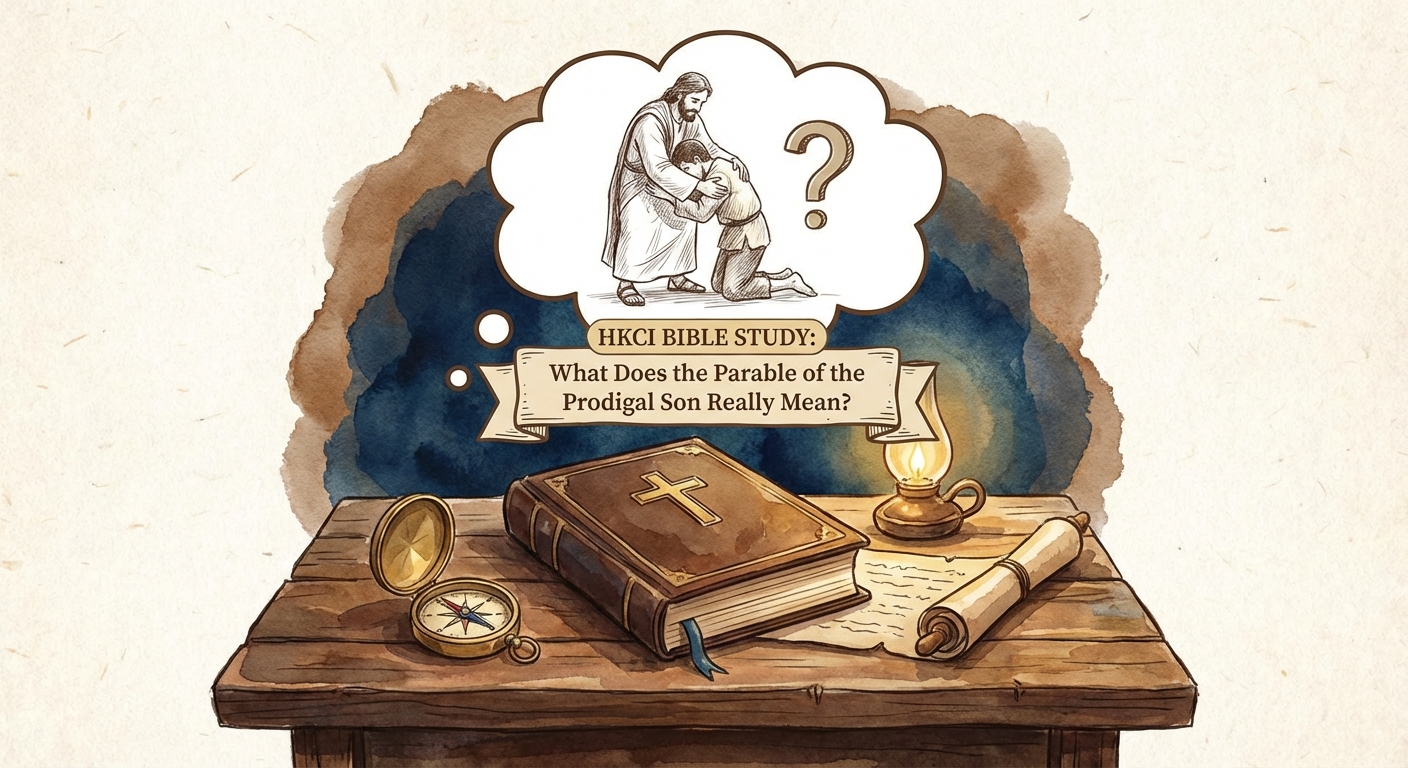
Some readings of this parable miss Jesus’ intended meaning.
Mistake 1: Focusing only on the younger son
The parable has two lost sons. One lost in obvious sin, one lost in self-righteousness. Jesus wanted the Pharisees to see themselves in the older brother.
Mistake 2: Treating it as a guide for parenting
While the father shows admirable qualities, this parable primarily teaches about God’s character, not parenting techniques. Applying it directly to raising children misses the theological point.
Mistake 3: Assuming the older son eventually joined the party
Jesus leaves the ending open. We don’t know if the older brother went inside. This ambiguity challenged the Pharisees to examine their own response to grace.
Mistake 4: Seeing the younger son as more sinful
Both sons were lost. Both needed the father. The parable of the prodigal son meaning includes the reality that pride and self-righteousness separate us from God just as much as obvious rebellion.
Why Jesus Told This Story
Context matters for interpretation.
Luke 15 begins: “Now the tax collectors and sinners were all gathering around to hear Jesus. But the Pharisees and the teachers of the law muttered, ‘This man welcomes sinners and eats with them.'”
Jesus responded with three parables: the lost sheep, the lost coin, and the lost sons. Each emphasized God’s joy over finding what was lost.
The first two parables built to this climax. The parable of the prodigal son adds human response to divine seeking. The sheep didn’t choose to be found. The coin didn’t repent. But the sons had agency.
Jesus defended his ministry to outcasts by revealing God’s heart. The Father actively wants relationship with those far from him. And he wants those close to him to share that desire.
“The Pharisees thought they were sons because they worked. The younger son discovered he was a son because of the father’s love. That’s the gospel in miniature.” This insight from biblical scholars captures why this parable remains central to Christian theology.
Practical Lessons for Modern Readers
The parable of the prodigal son meaning speaks to several situations believers face today.
For those struggling with past mistakes:
The younger son’s story offers hope. No matter how far you’ve gone or what you’ve done, genuine repentance opens the door to restoration. God doesn’t put you on probation. He celebrates your return.
For those serving faithfully but joylessly:
The older brother’s story provides a warning. Check your motivation. Are you serving to earn God’s love or responding to love already given? Religion without relationship leads to resentment.
For those judging other believers:
Both brothers needed the father. Both received his compassion. We have no grounds for looking down on others, whether they’re returning from obvious sin or struggling with hidden pride.
For those questioning God’s fairness:
The father’s response to the older son addresses this directly. God’s grace to others doesn’t diminish what he offers you. His resources aren’t limited. Someone else’s restoration doesn’t cost you anything.
How This Parable Shapes Christian Theology
This story influences major doctrinal themes:
- Salvation by grace: The younger son did nothing to earn restoration. The father’s love initiated everything.
- Nature of sin: Both rebellion and self-righteousness separate us from God.
- God’s character: Patient, loving, seeking, forgiving, and celebrating.
- Repentance: More than regret over consequences; a fundamental change of mind and direction.
- Justification: The father declared the son restored before any good works.
The parable also addresses the scandal of grace. Why does God forgive freely? Why don’t sinners have to earn their way back? The story doesn’t answer these questions with logic. It simply shows this is who God is.
Questions for Personal Reflection
Consider these points as you study this parable:
- Which son do you identify with more right now?
- Have you experienced the father’s compassion personally?
- Do you struggle with resentment when God shows grace to others?
- What does “coming to your senses” look like in your current situation?
- Are you serving God as a slave or living as a son or daughter?
These questions help move the parable of the prodigal son meaning from abstract theology to personal application.
The Story’s Ongoing Relevance
Two thousand years later, this parable still resonates because it addresses universal human experiences.
Everyone knows what it feels like to want independence. We’ve all made choices we later regretted. Most of us have experienced both the younger son’s rebellion and the older son’s resentment at different times.
The story works because it’s honest about human nature. We’re prone to wander. We’re quick to judge. We struggle to accept grace we think others don’t deserve.
But the parable also reveals a father unlike any human parent. One who runs toward returning sinners. One who pleads with angry, self-righteous children. One whose love doesn’t depend on our performance.
Living Out the Message
Understanding the parable of the prodigal son meaning should change how we live.
Toward God: Approach him as a loving father, not a harsh taskmaster. Accept that his grace exceeds your worst failures. Stop trying to earn what he freely offers.
Toward ourselves: Recognize that both obvious sin and hidden pride need repentance. Don’t compare your journey to others. Focus on your own relationship with the Father.
Toward others: Celebrate when people return to God instead of questioning whether they deserve it. Extend the same grace you’ve received. Remember that the father had compassion on both sons.
The parable challenges comfortable religion. It confronts our tendency to create insider and outsider categories. It reveals that God’s grace is more scandalous, more generous, and more transformative than we naturally assume.
A Story That Keeps Giving
The beauty of this parable lies in its layers. Each reading reveals something new. Each season of life brings fresh understanding.
When you’re far from God, you see the younger son’s hope. When you’re serving faithfully, you recognize the older brother’s temptation. When you’re extending grace to difficult people, you understand the father’s heart.
The parable of the prodigal son meaning ultimately points to the gospel itself. We were lost, whether in obvious rebellion or religious pride. God sought us. He welcomed us home. He celebrated our return. And he invites us to share his joy when others come home too.
Let this story shape how you view God, yourself, and the people around you. Let it remind you that no one is too far gone for grace and no one is too good to need it. Let it draw you into deeper relationship with a Father who runs toward you with open arms.