

You can’t earn your way into heaven. That simple truth stands at the center of Christian faith, yet many believers still struggle to accept it. Grace and forgiveness in Christianity form an inseparable bond that defines how God relates to humanity and how we’re called to relate to each other.
Grace is God’s unmerited favor toward sinners, while forgiveness removes the penalty of sin. These two doctrines work together: grace makes forgiveness possible, and forgiveness demonstrates grace in action. Understanding this relationship transforms how Christians view salvation, daily living, and relationships with others. Both are gifts from God that cannot be earned through good works or religious performance.
What Grace Really Means
Grace defies human logic. We live in a world built on transactions. You work, you get paid. You break the law, you face consequences. You hurt someone, you apologize and hope for the best.
God’s grace operates differently. It’s favor you don’t deserve and can’t earn. Paul writes in Ephesians 2:8-9 that salvation comes through faith as a gift, not by works, so no one can boast. This isn’t just theological language. It’s the foundation of everything Christianity teaches about our relationship with God.
Think about the best gift you ever received. Maybe it was unexpected. Maybe you hadn’t done anything to deserve it. That feeling of surprise and gratitude barely scratches the surface of what grace means.
Grace appears throughout Scripture in different forms:
- Common grace that gives rain to both righteous and unrighteous people
- Saving grace that rescues people from spiritual death
- Sustaining grace that helps believers grow and persevere
- Empowering grace that enables ministry and service
Each type flows from God’s character. He gives because giving reflects who He is, not because we’ve earned it.
The Nature of Forgiveness
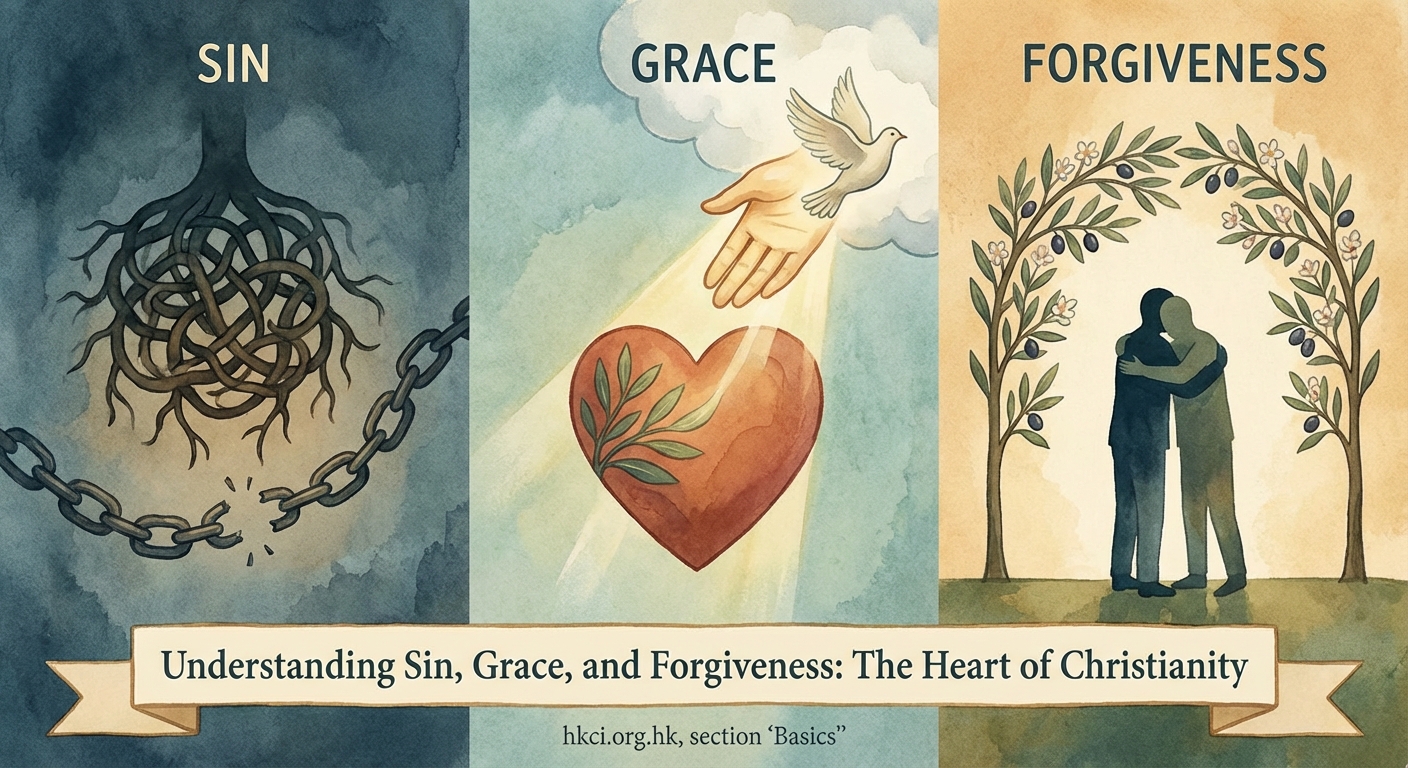
Forgiveness cancels a debt. When God forgives sin, He doesn’t minimize it or pretend it didn’t happen. He addresses it fully and removes its penalty.
The cross demonstrates this perfectly. Jesus didn’t die because God overlooked sin. He died because sin required payment. Justice demanded satisfaction. Grace provided the payment through Christ’s sacrifice.
Human forgiveness mirrors divine forgiveness but falls short in important ways. We forgive because we’ve been forgiven. We release others from debts they owe us. But we can’t actually remove the cosmic consequences of sin. Only God can do that.
Colossians 2:13-14 paints a vivid picture. God made us alive with Christ, forgiving all our sins. He canceled the written code that stood against us, nailing it to the cross. The legal document listing our violations got destroyed.
That’s not partial forgiveness or probationary mercy. It’s complete cancellation.
How Grace and Forgiveness Connect
You can’t separate these two concepts. Grace provides the foundation for forgiveness. Forgiveness demonstrates grace in action.
Here’s how they work together:
- Sin creates separation between humans and God
- Grace moves God toward sinners despite their rebellion
- Christ’s death satisfies justice and makes forgiveness possible
- Forgiveness removes sin’s penalty when people trust Christ
- Ongoing grace helps believers live in freedom from condemnation
This sequence matters because it shows that forgiveness isn’t cheap. It cost everything. Grace made God willing to pay that price. Forgiveness applied the payment to our account.
“Grace is not simply leniency when we have sinned. Grace is the enabling gift of God not to sin. Grace is power, not just pardon.” – John Piper
The Roman centurion who asked Jesus to heal his servant understood authority. He recognized that Jesus could speak and things would happen. That’s how grace and forgiveness operate. God speaks forgiveness over those who trust Him, and it becomes reality.
Common Misunderstandings
Many Christians mix up grace with other concepts. Let’s clear up the confusion.
| What People Think | What Scripture Says | Why It Matters |
|---|---|---|
| Grace means God ignores sin | Grace addresses sin through Christ’s death | Understanding the cost prevents taking forgiveness lightly |
| Forgiveness requires feeling good about the person | Forgiveness is a decision, not an emotion | You can forgive without warm feelings |
| More good works earn more grace | Grace can’t be earned at all | This protects against religious performance |
| Grace gives permission to keep sinning | Grace transforms hearts and produces holiness | True grace changes behavior |
The “greasy grace” problem happens when people claim forgiveness while showing no life change. Paul addresses this directly in Romans 6. Should we keep sinning so grace can increase? Absolutely not. We died to sin. How can we live in it any longer?
Real grace produces real change. Not perfect behavior, but genuine transformation over time.
Living Under Grace
Accepting grace and forgiveness intellectually differs from living in that reality daily. Many believers struggle here.
You might wake up feeling guilty about yesterday’s failures. The accuser whispers that you’re not really forgiven. You must do better. Try harder. Prove yourself.
That’s not the voice of grace.
Living under grace means:
- Starting each day knowing you’re fully forgiven
- Confessing new sins without fear of rejection
- Extending to yourself the patience God shows you
- Serving from gratitude, not obligation
- Accepting that growth takes time
The prodigal son’s father didn’t make him earn his way back. He ran to meet him. He threw a party. He restored his position in the family immediately. That’s grace in action.
Your heavenly Father does the same. Every single day.
Extending Grace and Forgiveness to Others
Here’s where theology gets practical. Jesus taught that forgiven people forgive others. The connection isn’t optional.
Peter asked how many times he should forgive someone. Seven times seemed generous. Jesus answered seventy times seven. The point wasn’t keeping count. It was establishing a lifestyle of continual forgiveness.
The parable that follows drives this home. A servant owed an impossible debt. The king forgave it all. That same servant then refused to forgive a tiny debt someone owed him. The king’s response was severe. Those who receive mercy must show mercy.
This doesn’t mean staying in abusive situations or ignoring boundaries. Forgiveness releases bitterness. It doesn’t require trusting someone who hasn’t changed or putting yourself in harm’s way.
Think about someone who hurt you. Maybe the wound still feels fresh. Maybe it happened years ago but still stings. Forgiveness doesn’t erase the past. It refuses to let the past control your present.
You forgive because you’ve been forgiven. You extend grace because you’ve received grace. The power to do this comes from God, not from your own strength.
Practical Steps for Growing in Grace
Understanding doctrine matters, but application transforms lives. Here’s how to grow in your grasp of grace and forgiveness:
-
Study what Scripture says about your identity in Christ. Read Ephesians, Romans, and Colossians. Note every verse about who you are as a believer. You’re chosen, holy, dearly loved, forgiven, redeemed, and sealed. These aren’t aspirational goals. They’re current realities.
-
Practice daily confession. First John 1:9 promises that God is faithful to forgive confessed sin. Make this a regular habit. Not because you lose salvation when you sin, but because confession keeps your relationship with God clear and honest.
-
Identify areas where you’re trying to earn God’s favor. Do you feel more loved when you read your Bible longer? Do you worry God is disappointed when you struggle? These feelings reveal performance-based thinking. Replace them with truth about grace.
-
Keep a grace journal. Write down moments when you experienced undeserved favor. From God, from others, from unexpected sources. Reviewing these entries reminds you that grace is real and active.
-
Choose one person to forgive this week. Start small if needed. Maybe it’s the driver who cut you off. Maybe it’s a family member who disappointed you. Practice releasing the debt they owe you.
The Ongoing Journey
Grace and forgiveness aren’t one-time transactions. They’re the atmosphere Christians breathe every day.
You’ll mess up tomorrow. You’ll need forgiveness again. God’s grace will be there, just as strong as it was the day you first believed. That’s the beauty of these doctrines. They don’t run out. They don’t wear thin. They don’t depend on your performance.
The Christian life isn’t about achieving sinless perfection. It’s about growing in grace while resting in complete forgiveness. You move forward not because you must earn God’s love, but because you already have it.
Let that truth sink deep. Let it change how you view your failures and your future. Let it overflow into how you treat others. Grace received becomes grace extended. Forgiveness experienced becomes forgiveness offered.
That’s how these core doctrines transform individual lives and entire communities. Not through rules and regulations, but through the liberating power of unearned favor and cancelled debts.