

The church has wrestled with one of its most profound tensions for centuries. Does God choose us, or do we choose Him? Can both be true at the same time?
These questions have divided denominations, sparked heated debates, and left countless believers confused about their salvation. Yet Scripture presents both realities without apology. God sovereignly elects His people, and humans genuinely choose to follow Christ.
The predestination vs free will debate centers on how God’s sovereign choice and human responsibility coexist. Scripture affirms both truths: God predestines believers before creation, yet people make real choices with eternal consequences. Rather than choosing one view over the other, a balanced biblical perspective holds both in tension, recognizing that God’s ways transcend human logic while maintaining the mystery that makes faith both humbling and beautiful.
Understanding the Core Positions
The debate splits into two primary camps, each drawing from different biblical texts.
Calvinism emphasizes God’s absolute sovereignty. This view teaches that God chose specific individuals for salvation before the world began. Human will, corrupted by sin, cannot choose God without divine intervention. Election is unconditional, based solely on God’s purpose and grace.
Arminianism stresses human responsibility and genuine choice. This perspective maintains that God offers salvation to everyone. People possess the ability to accept or reject this offer. Election depends on God’s foreknowledge of who will believe.
Both positions claim scriptural support. Both have produced faithful Christians throughout history. Neither side questions God’s ultimate authority or the necessity of grace for salvation.
The tension exists because both camps address real biblical truths that seem incompatible at first glance.
What Scripture Says About Divine Election
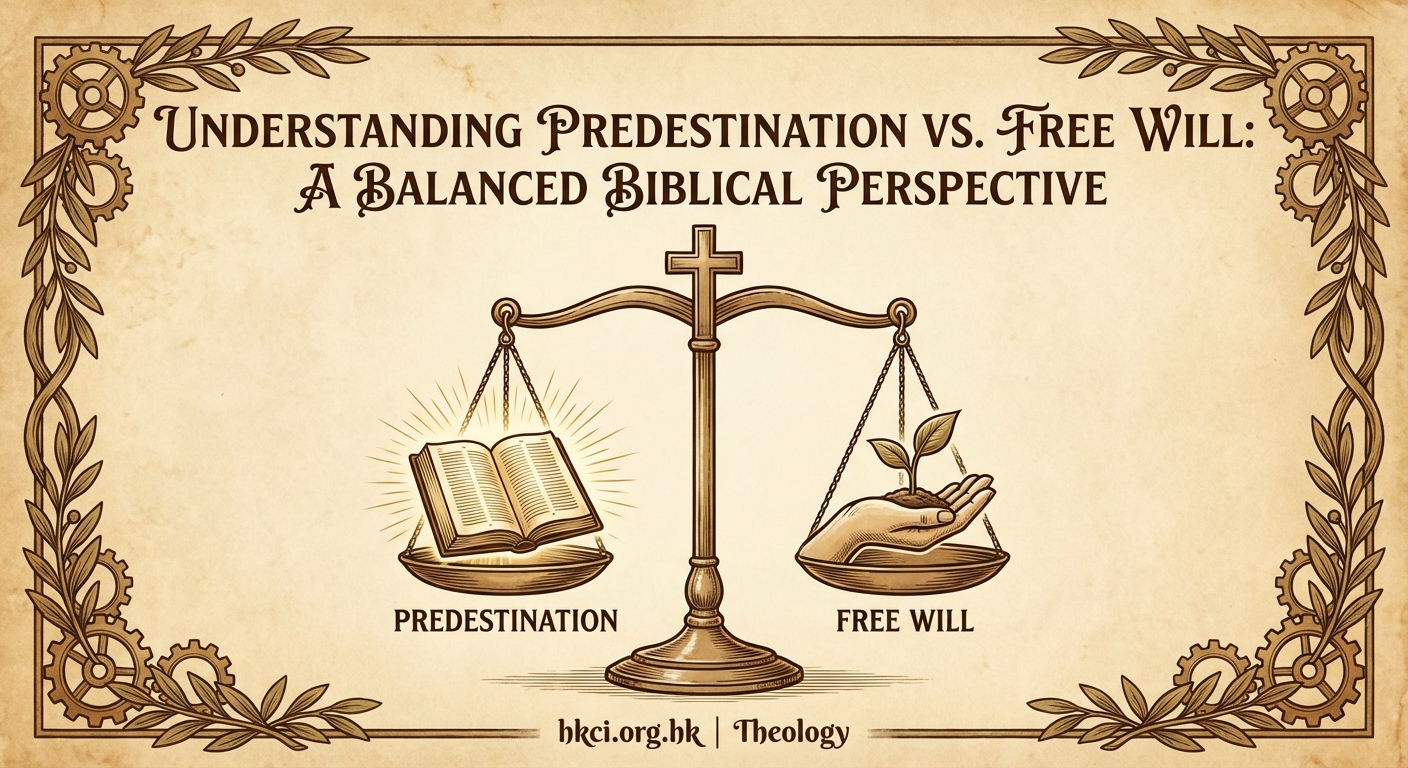
The Bible speaks clearly about God’s choosing activity.
Paul writes in Ephesians 1:4-5 that God “chose us in him before the foundation of the world, that we should be holy and blameless before him. In love he predestined us for adoption to himself as sons through Jesus Christ, according to the purpose of his will.”
This passage places election before creation. God’s choice precedes human existence, let alone human decision.
Romans 8:29-30 describes a chain: “For those whom he foreknew he also predestined to be conformed to the image of his Son… And those whom he predestined he also called, and those whom he called he also justified, and those whom he justified he also glorified.”
The sequence moves from God’s initiative to final glorification without mentioning human decision as the determining factor.
Jesus Himself said in John 6:44, “No one can come to me unless the Father who sent me draws him.” This statement limits human ability apart from divine action.
These texts present election as God’s sovereign work, independent of human merit or foreseen faith.
What Scripture Says About Human Choice
Yet the Bible equally affirms genuine human responsibility.
Joshua challenged Israel: “Choose this day whom you will serve” (Joshua 24:15). The command assumes real choice with real consequences.
Jesus invited people throughout His ministry: “Come to me, all who labor and are heavy laden, and I will give you rest” (Matthew 11:28). Invitations imply the ability to respond.
Peter declared on Pentecost, “Repent and be baptized every one of you in the name of Jesus Christ for the forgiveness of your sins” (Acts 2:38). Commands to repent assume people can do so.
John 3:16 states that “whoever believes in him should not perish but have eternal life.” The “whoever” suggests open availability, not limited access.
Scripture consistently holds people accountable for their choices. God judges nations and individuals based on their decisions. The prophets called Israel to turn from sin, assuming they could respond.
These passages present choice as meaningful, not predetermined or illusory.
The Apparent Contradiction
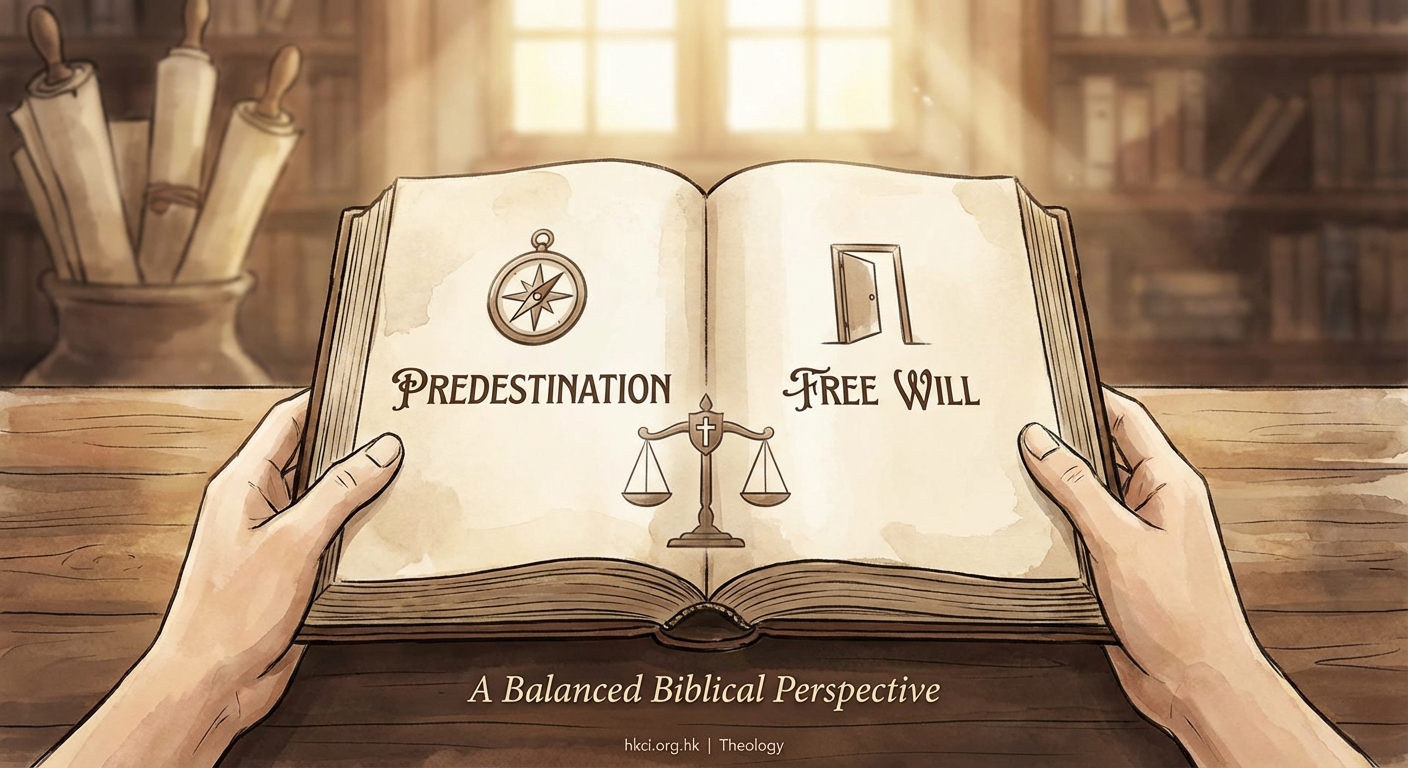
Here lies the heart of the predestination vs free will tension.
If God chooses who will be saved before creation, how can human choice be real? If salvation depends on God’s sovereign election, why does Scripture command repentance and faith?
Conversely, if humans possess genuine freedom to accept or reject God, how can God guarantee the outcome? If salvation depends on human decision, doesn’t that make God’s plan contingent on human will?
The problem intensifies when we consider specific scenarios:
| Scenario | Predestination View | Free Will View |
|---|---|---|
| A person hears the gospel and believes | God’s election enabled their faith | They chose to respond to God’s offer |
| A person hears the gospel and rejects it | God did not elect them to salvation | They exercised their freedom to refuse |
| A believer perseveres to the end | God preserves those He has chosen | They continue choosing faithfulness |
| Someone falls away from faith | They were never truly elect | They made a tragic choice to abandon God |
Each view handles these situations consistently within its framework. Yet each also faces difficult questions about the other perspective’s biblical texts.
Common Mistakes in the Debate
Both sides sometimes misrepresent the other position or overstate their case.
Mistake 1: Turning God into a cosmic dictator
Some presentations of predestination make God seem arbitrary or cruel, creating people for damnation. This caricature ignores the biblical emphasis on God’s justice, mercy, and desire for all to know Him.
Mistake 2: Making humans autonomous
Some free will arguments suggest people can save themselves or that God merely reacts to human choices. This diminishes God’s sovereignty and ignores the biblical teaching on human depravity.
Mistake 3: Forcing an either/or choice
The debate often demands you pick a side completely. Yet Scripture may be presenting both truths in tension rather than offering a systematic resolution.
Mistake 4: Ignoring mystery
We sometimes forget that God’s thoughts are higher than our thoughts (Isaiah 55:8-9). Some theological tensions may not resolve this side of eternity.
Mistake 5: Making it about winning arguments
The predestination vs free will debate can become more about intellectual victory than understanding God’s character and our relationship with Him.
A Balanced Biblical Approach
Rather than forcing Scripture into one system, consider holding both truths together.
-
Acknowledge God’s absolute sovereignty. He reigns over all creation, including salvation. Nothing happens outside His control or knowledge. He works all things according to His purpose.
-
Affirm genuine human responsibility. People make real choices with real consequences. God commands repentance and faith, holding everyone accountable for their response to His revelation.
-
Accept the mystery. Some tensions in Scripture may not resolve into neat logical systems. God’s infinite nature transcends our finite understanding.
This approach recognizes several key principles:
- God’s sovereignty and human responsibility are both biblical truths
- Scripture presents both without explaining how they fit together perfectly
- The tension itself may serve a purpose in keeping us humble
- Different biblical authors emphasize different aspects based on their context
- Practical Christian living requires both confidence in God’s control and serious engagement with choice
“The secret things belong to the Lord our God, but the things that are revealed belong to us and to our children forever, that we may do all the words of this law.” (Deuteronomy 29:29)
Practical Implications for Believers
How should this theological debate affect daily Christian life?
For evangelism: Preach the gospel to everyone. God commands us to make disciples of all nations. We don’t know who the elect are, so we proclaim Christ to all. Trust God with the results while taking human response seriously.
For assurance: Rest in God’s promises. If you trust Christ, you belong to Him. Your salvation doesn’t ultimately depend on maintaining perfect faith but on God’s faithful character. Yet continue choosing obedience and growth.
For prayer: Pray with confidence and urgency. God ordains both ends and means. He uses our prayers to accomplish His purposes. Pray for the lost as if their salvation depends on it, trusting God’s sovereign plan.
For holiness: Take your choices seriously. God holds you accountable for your decisions. Pursue righteousness, flee temptation, and grow in grace. Your choices matter eternally, even within God’s sovereign plan.
For humility: Recognize the limits of your understanding. Don’t claim to fully comprehend how divine sovereignty and human freedom coexist. Learn from different traditions while staying grounded in Scripture.
Historical Perspectives Worth Knowing
The church has addressed this tension throughout its history.
Augustine emphasized divine grace and election in response to Pelagius, who taught that humans could achieve righteousness through their own effort. Augustine’s writings shaped Western theology for centuries.
The Reformation intensified the debate. Luther and Calvin stressed God’s sovereign grace. The Catholic Church at Trent affirmed both grace and cooperation. Arminius later challenged strict Calvinist formulations while maintaining salvation by grace.
The Synod of Dort (1618-1619) produced the five points of Calvinism in response to Arminian objections. These points (often abbreviated TULIP) systematized Reformed theology on election and grace.
John Wesley developed Arminian theology in a Protestant context, emphasizing prevenient grace that enables human response. His approach influenced Methodist and Holiness movements.
Modern discussions continue across denominational lines. Some seek middle ground positions. Others maintain traditional boundaries. The conversation remains vibrant because Scripture remains authoritative for all sides.
Living with the Tension
Perhaps the predestination vs free will debate persists because both truths protect important aspects of Christian faith.
Predestination safeguards God’s sovereignty, grace, and the security of salvation. It reminds us that we contribute nothing to our salvation. God receives all glory.
Free will preserves human dignity, moral responsibility, and the genuineness of relationship. It maintains that our choices matter and that love requires freedom.
Scripture presents both because we need both. Remove sovereignty, and God becomes weak or uncertain. Remove responsibility, and humans become robots or puppets.
The tension keeps us from errors on either extreme. It drives us back to Scripture rather than letting us rest in human systems. It cultivates humility about our theological certainty.
Some questions may not have tidy answers in this life. We see through a glass darkly now. One day we’ll understand fully, even as we are fully understood (1 Corinthians 13:12).
Where This Leaves You Today
You don’t need to resolve this debate completely to follow Jesus faithfully.
Trust that God is sovereign over your salvation. Nothing can snatch you from His hand. Your security rests on His character, not your performance.
Take your choices seriously. Respond to God’s grace. Pursue holiness. Love others. Share the gospel. Your decisions have real weight and meaning.
Study Scripture for yourself. Don’t just accept what your tradition teaches. Test everything against God’s Word. Listen to different perspectives with humility.
Focus on what Scripture clearly teaches. Love God with all your heart. Love your neighbor as yourself. Make disciples. Grow in grace. These commands don’t depend on solving the predestination vs free will question.
Remember that Christians who disagree on this issue still share the same Lord, the same gospel, and the same hope. This debate should never divide the body of Christ or distract from the mission Jesus gave us.
The mystery of how God’s sovereignty and human freedom work together may actually be a gift. It keeps theology from becoming mere philosophy. It preserves wonder in our relationship with the infinite God.
Walk forward in confidence that God knows what He’s doing, even when you don’t fully understand how all the pieces fit together.