

Prayer isn’t just a Sunday morning ritual or something reserved for emergencies. It’s a living conversation with God that can reshape how you experience every single day. When you bring prayer into your morning commute, your lunch break, or those moments before bed, you’re inviting divine presence into the ordinary. That’s where transformation happens.
Prayer transforms daily life by creating constant connection with God, reducing anxiety, providing clarity for decisions, and building spiritual resilience. Through consistent practice integrated into everyday moments, believers experience peace, purpose, and strength that carries them through challenges. Prayer isn’t about perfection but about honest, ongoing conversation with a loving Father who listens and responds.
Why Prayer Matters More Than You Think
Many Christians struggle to see prayer as anything beyond a duty or a wish list presented to God. But Scripture shows us something far richer. Prayer is how we align our hearts with God’s heart. It’s how we receive strength for the day ahead and wisdom for the decisions we face.
When Jesus taught His disciples to pray, He wasn’t giving them a formula to recite mindlessly. He was showing them how to stay connected to the Father throughout every moment. That same invitation extends to you today.
Prayer changes things. Not because we’re twisting God’s arm, but because we’re positioning ourselves to receive what He already wants to give us. Peace in chaos. Wisdom in confusion. Strength in weakness.
The power of prayer in daily life becomes evident when you stop treating it as a religious obligation and start experiencing it as a lifeline.
Building Your Daily Prayer Foundation
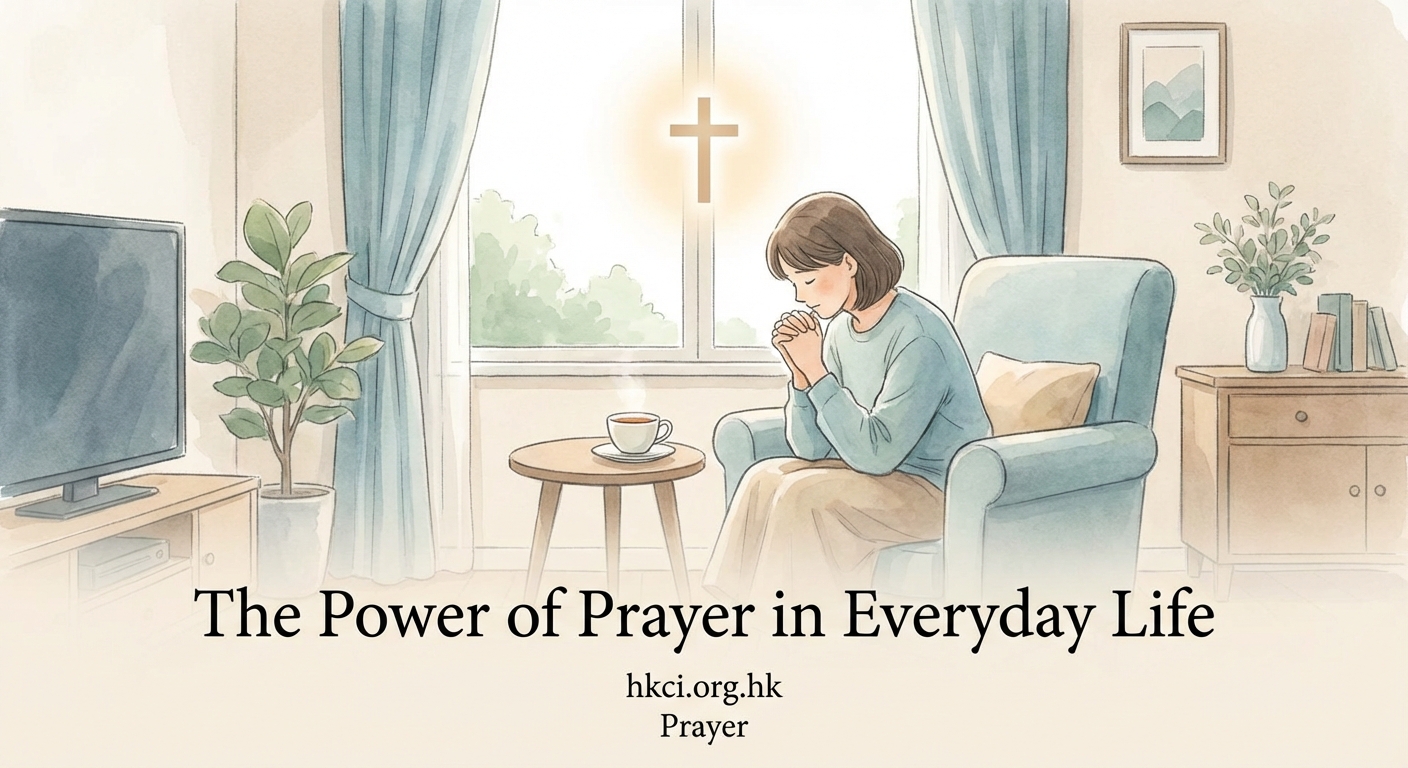
Starting a consistent prayer practice doesn’t require hours of uninterrupted silence or a theology degree. It requires honesty and willingness.
Here’s how to build a sustainable prayer rhythm:
-
Choose a consistent time and place. Your brain loves patterns. When you pray at the same time each day, your mind begins to anticipate and prepare for that sacred space. Morning works well for many people because it sets the tone before distractions multiply. Others find evening prayer helps them process the day and release worries before sleep.
-
Start with gratitude. Before you bring requests or concerns, acknowledge what God has already done. This shifts your perspective from scarcity to abundance. Thank Him for specific things: the job that pays your bills, the friend who texted encouragement, the sunrise you noticed on your drive.
-
Speak honestly about your struggles. God already knows what you’re facing. Pretending everything is fine doesn’t impress Him. Bring your real fears, your actual frustrations, your genuine confusion. The Psalms are full of raw, honest prayers that hold nothing back.
-
Listen as much as you speak. Prayer isn’t a monologue. After you’ve poured out your heart, sit quietly. Pay attention to Scripture passages that come to mind, gentle convictions about actions to take, or simply the peace that settles over your spirit.
-
Close with surrender. End by releasing control. Trust that God hears and will answer according to His perfect wisdom and timing. This isn’t resignation but confident faith that He works all things for good.
Practical Ways to Integrate Prayer Throughout Your Day
You don’t need to retreat to a monastery to maintain a vibrant prayer life. The most powerful prayers often happen in the middle of ordinary moments.
Morning prayers that set the tone
Before you check your phone or scroll through news, spend three minutes asking God to guide your day. Pray over your schedule. Ask for patience with that difficult coworker. Request wisdom for the meeting you’re dreading.
Many believers find that checking prayer times helps them maintain consistency, especially when traveling or adjusting to new schedules. Having a framework can support your commitment without making it legalistic.
Midday reset prayers
When stress builds and your to-do list feels overwhelming, step away for sixty seconds. Close your office door, sit in your car, or find a quiet corner. Breathe deeply and acknowledge God’s presence. Ask Him to refresh your mind and renew your strength.
This isn’t about escaping responsibility. It’s about reconnecting with the source of your strength so you can handle responsibility better.
Evening reflection prayers
Before bed, review your day with God. Where did you see His hand at work? Where did you miss opportunities to show love? What are you grateful for? What concerns are you carrying that need to be released into His care?
This practice prevents you from ruminating on problems all night. You’re literally handing them to someone infinitely more capable of handling them.
What Prayer Actually Does in Your Life

The benefits of consistent prayer extend far beyond the spiritual realm. They touch every aspect of your existence.
Prayer reduces anxiety. When you verbalize your worries to God, you’re activating both spiritual and psychological processes. You’re acknowledging that you’re not in control, which paradoxically brings relief. Studies have shown that people who pray regularly report lower levels of stress and better emotional regulation.
Prayer clarifies decisions. When you bring choices before God and wait for His guidance, you create space for wisdom to emerge. Sometimes the answer comes through Scripture. Sometimes through wise counsel from others. Sometimes through circumstances that open or close doors. But the act of praying about decisions keeps you from rushing into choices you’ll regret.
Prayer strengthens relationships. Praying for others changes how you see them. That annoying family member becomes someone God loves deeply. That friend going through hardship becomes someone you’re partnering with God to support. Prayer cultivates compassion and patience.
Prayer builds spiritual muscle. Like physical exercise, prayer develops strength over time. The more you practice, the more natural it becomes. You start recognizing God’s voice more clearly. You develop discernment about what aligns with His will. You grow in faith as you see prayers answered.
“Do not be anxious about anything, but in every situation, by prayer and petition, with thanksgiving, present your requests to God. And the peace of God, which transcends all understanding, will guard your hearts and your minds in Christ Jesus.” (Philippians 4:6-7)
Common Prayer Mistakes and How to Avoid Them
Even experienced believers fall into patterns that undermine their prayer life. Recognizing these pitfalls helps you avoid them.
| Mistake | Why It Happens | Better Approach |
|---|---|---|
| Praying only in crisis | We forget God in good times | Schedule daily prayer regardless of circumstances |
| Using repetitive phrases without thought | We fall into autopilot mode | Vary your prayers and speak from your current reality |
| Treating prayer like a shopping list | We focus only on what we want | Balance requests with worship, confession, and listening |
| Giving up when answers don’t come immediately | We expect instant results | Trust God’s timing and keep praying faithfully |
| Comparing your prayer life to others | We measure ourselves by external standards | Focus on your unique relationship with God |
The goal isn’t perfection. It’s connection. God isn’t grading your prayers on eloquence or length. He’s listening to your heart.
When Prayer Feels Dry or Difficult
Every believer experiences seasons when prayer feels like talking to the ceiling. Words don’t flow. Heaven seems silent. Emotions are flat.
This doesn’t mean God has left or that you’re doing something wrong. Spiritual dryness is normal and often precedes significant growth.
During these times:
- Keep showing up anyway. Faithfulness matters more than feelings.
- Read prayers written by others, like the Psalms or prayers from church history.
- Pray Scripture back to God, using His own words.
- Ask trusted believers to pray for you and with you.
- Remember past times when God answered prayers and proved faithful.
Sometimes God allows silence to deepen our dependence on Him. We learn to trust His character rather than our emotional experience. That’s mature faith.
If you’re struggling to find words, how to pray when you don’t know what to say offers practical guidance for those seasons when prayer feels impossible.
Prayer and Scripture Work Together
Prayer and Bible reading aren’t separate spiritual disciplines. They’re two sides of the same conversation.
When you read Scripture, God speaks to you. When you pray, you respond to Him. This creates a dynamic dialogue that transforms how you think and live.
Try this approach:
- Read a passage of Scripture slowly and attentively.
- Notice phrases that stand out or create questions.
- Turn those observations into prayer.
- Ask God to show you how to apply what you’ve read.
For example, if you’re reading about Jesus healing someone, thank God for His compassion. Ask Him to show that same compassion through you to someone who’s hurting. Request healing for people you know who are sick.
This method makes both Scripture reading and prayer more engaging and personal. You’re not just collecting information. You’re encountering a living God who wants to shape your character and direct your steps.
Those new to Scripture might benefit from how to read the Bible for the first time, which provides practical strategies for getting started.
Types of Prayer for Different Situations
Not every prayer serves the same purpose. Understanding different prayer types helps you communicate with God more effectively.
Adoration focuses entirely on who God is. You’re not asking for anything. You’re simply acknowledging His character, His power, His love, His holiness. This type of prayer recalibrates your perspective and reminds you who you’re talking to.
Confession brings your sins and failures before God honestly. You acknowledge where you’ve fallen short and receive His forgiveness. This keeps your relationship with Him clear and unhindered.
Thanksgiving expresses gratitude for specific blessings. It’s more detailed than general praise. You’re thanking God for particular provisions, answered prayers, or ways He’s shown up in your life.
Supplication is where you bring requests. You ask for help, provision, healing, wisdom, or intervention. This is often what people think of when they think of prayer, but it’s just one component.
Intercession means praying for others. You’re standing in the gap for people who need God’s help, whether they know to ask or not.
A balanced prayer life includes all these elements, though not necessarily in every prayer session.
Praying with Others Multiplies Impact
While personal prayer is vital, corporate prayer adds a different dimension to your spiritual life.
When you pray with family, you’re inviting God into your home and relationships. You’re modeling faith for children and creating shared spiritual experiences that bond you together.
How to pray together as a family without making it awkward addresses common concerns about starting this practice.
When you pray with your church community, you’re joining your faith with others. Jesus promised that where two or three gather in His name, He’s present in a special way. There’s power in unified prayer that goes beyond individual petition.
When you pray with friends going through hardship, you’re offering tangible support. Your presence and prayers communicate that they’re not alone in their struggle.
Don’t underestimate the value of asking others to pray for you too. Vulnerability builds authentic community and allows others to exercise their faith on your behalf.
Recognizing God’s Answers to Prayer
God answers every prayer, but not always in the way or timing we expect. Learning to recognize His responses deepens your faith and encourages continued prayer.
Sometimes the answer is yes. You prayed for provision and a check arrived. You asked for healing and symptoms disappeared. You requested wisdom and suddenly saw the situation clearly.
Sometimes the answer is no. God sees what you can’t. That relationship you wanted would have derailed your purpose. That job you didn’t get would have destroyed your family. That healing you requested isn’t part of His plan, though He promises to bring good from the suffering.
Sometimes the answer is wait. God is working behind the scenes, arranging circumstances, preparing hearts, developing your character for what’s coming. Waiting doesn’t mean He’s ignoring you. It means His timing is perfect and worth trusting.
Sometimes the answer is different. You asked for one thing and He provided something better. You wanted a specific outcome and He gave you something that met your deeper need.
Keep a prayer journal to track requests and answers. Over time, you’ll see patterns of God’s faithfulness that strengthen your trust.
Making Prayer a Lifestyle, Not Just a Task
The ultimate goal isn’t to check prayer off your daily to-do list. It’s to develop such constant awareness of God’s presence that prayer becomes as natural as breathing.
Paul instructed believers to “pray without ceasing.” That doesn’t mean walking around with your eyes closed and hands folded all day. It means maintaining an ongoing conversation with God throughout your activities.
You’re stuck in traffic. Talk to God about your frustration and ask for patience.
You see someone struggling. Send up a quick prayer for them.
You receive good news. Thank God immediately.
You face a decision. Ask for wisdom in that moment.
This running dialogue with God transforms ordinary moments into opportunities for connection. You’re no longer dividing life into sacred and secular. Everything becomes sacred because you’re experiencing it with God.
The practices discussed earlier, like 7 daily habits that will transform your prayer life, provide structure that supports this lifestyle approach.
Understanding Prayer’s Role in Spiritual Growth
Prayer doesn’t exist in isolation from other aspects of your faith. It’s deeply connected to your overall spiritual development.
As you grow in understanding core beliefs every Christian should understand, your prayers become more aligned with God’s character and purposes. You’re not just asking for random things. You’re praying according to His revealed will.
When you grasp what it really means to be born again, you understand that prayer is communication between a loving Father and His adopted child. It’s not a servant petitioning a distant master. It’s a son or daughter talking with a Dad who delights in them.
As you learn to hear God’s voice in a noisy world, your prayers become more conversational. You’re not just talking at God. You’re listening for His response and learning to recognize His leading.
Understanding sin, grace, and forgiveness keeps your prayers honest. You approach God confidently because of Christ’s work, not your own merit. You confess freely because you know forgiveness is certain.
Prayer both supports and is supported by every other aspect of your spiritual life. It’s the thread that weaves through everything else, holding it together and making it personal.
Your Next Steps in Prayer
You don’t need to overhaul your entire life to experience the power of prayer in daily life. Start small and build from there.
Choose one time today to pray intentionally. Maybe it’s when you first wake up, during your lunch break, or before bed. Set aside five minutes. Talk to God honestly about what’s on your heart.
Tomorrow, do it again. And the next day. And the day after that.
As consistency develops, you’ll notice changes. Not necessarily in your circumstances, though that may happen. But definitely in yourself. You’ll find more peace in chaos. More clarity in confusion. More strength in weakness.
You’ll discover that prayer isn’t just something you do. It’s a relationship you’re building with the God who loves you more than you can imagine and wants to walk with you through every moment of every day.
That’s the real power of prayer. Not that it changes God’s mind, but that it changes you. And a changed heart transforms everything.