

The weight of betrayal sits heavy in your chest. Someone you trusted broke that trust, and now you’re left holding the pain. You know forgiveness might help you heal, but right now it feels impossible. How do you forgive when the wound is still raw?
Forgiveness is not about excusing harmful behavior or reconciling with someone who hurt you. It’s a personal choice to release the grip that resentment has on your life. This process takes time and involves acknowledging your pain, setting boundaries, and choosing to stop letting the offense control your emotional well-being. You can forgive and still protect yourself.
What forgiveness actually means
Let’s clear up a common misunderstanding right away. Forgiveness doesn’t mean what happened was okay. It doesn’t require you to trust that person again or let them back into your life.
Forgiveness is about you, not them.
When you forgive, you’re choosing to stop carrying the emotional burden of what they did. You’re deciding that this person’s actions won’t continue to poison your present and future. The offense happened, it was wrong, and you’re choosing to move forward anyway.
Think of it this way: holding onto resentment is like drinking poison and expecting the other person to get sick. They might be living their life completely unaffected while you replay the hurt over and over. Forgiveness breaks that cycle.
This doesn’t happen overnight. Real forgiveness is a process, not a light switch.
Why your pain matters first
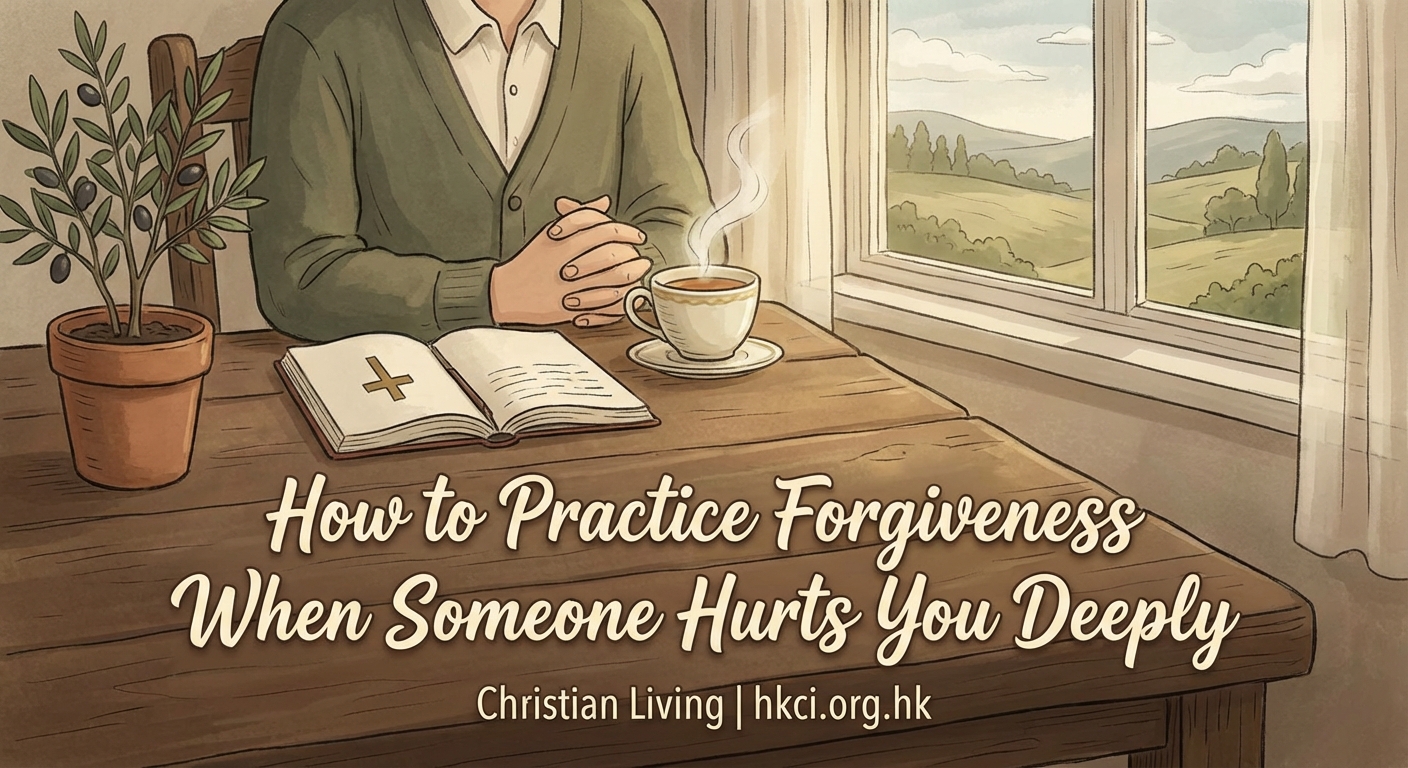
Before you can genuinely forgive, you need to acknowledge how deeply you’ve been hurt. Skipping this step is like putting a bandage over an infected wound. It might look better on the surface, but the damage continues underneath.
Your feelings are valid. Anger, sadness, confusion, even hatred in the immediate aftermath of betrayal are normal human responses. You don’t need to rush past them to appear spiritual or mature.
Take time to name what was taken from you. Was it trust? Safety? Years of friendship? Financial security? Your sense of self-worth? Getting specific about the loss helps you understand why this hurts so much.
Some people find it helpful to write letters they never send, describing exactly how the betrayal affected them. Others talk to a trusted friend or counselor. The method matters less than the honesty.
“We cannot change anything unless we accept it. Condemnation does not liberate, it oppresses.” This wisdom reminds us that denying our pain only gives it more power over us.
Steps to begin the forgiveness process
Forgiveness isn’t a single decision. It’s a series of choices you make repeatedly until the pain loses its grip. Here’s how to start:
-
Decide you want to be free. Notice this isn’t deciding to forgive yet. It’s deciding that you don’t want this hurt to define the rest of your life. You’re choosing your own healing over their punishment.
-
Stop rehearsing the offense. Each time you replay what happened, you re-traumatize yourself. When the memory comes up (and it will), acknowledge it and then redirect your thoughts. This takes practice.
-
Separate the person from their actions. People do terrible things, but that single action doesn’t capture their entire humanity. This doesn’t excuse what they did. It just helps you see them as a flawed human rather than a monster.
-
Release the need for them to suffer. Wanting justice is natural. Waiting for karma to punish them keeps you tied to them emotionally. Your freedom comes when their fate stops mattering to you.
-
Make a conscious choice to forgive. Say it out loud if that helps. “I choose to forgive [name] for [specific action].” You might need to make this choice multiple times before it sticks.
-
Accept that reconciliation might not happen. Forgiveness doesn’t require the other person’s participation. They might never apologize or acknowledge what they did. You can still choose to let go.
Common forgiveness mistakes
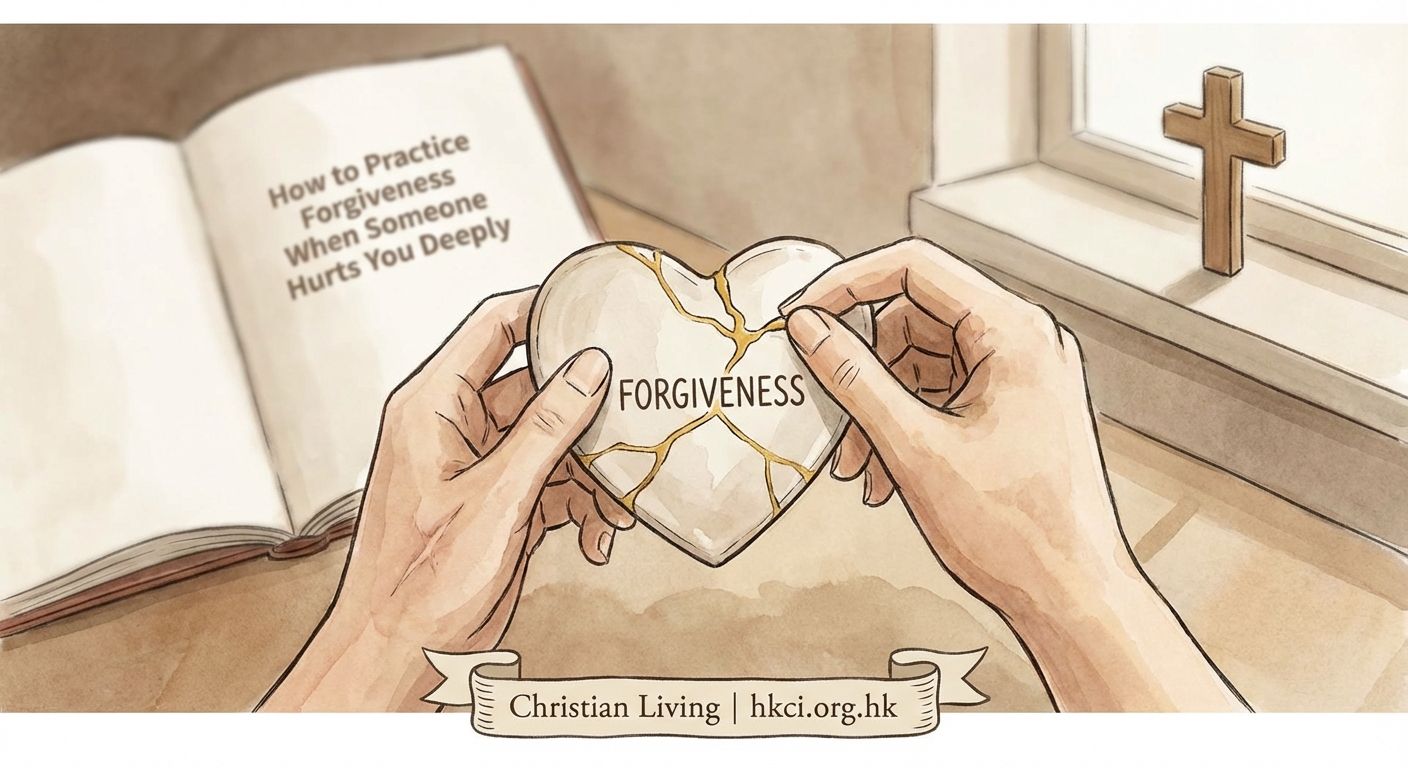
| Mistake | Why it hurts you | Better approach |
|---|---|---|
| Forgiving too fast | Skips the grief process and leads to buried resentment | Take time to fully feel and process the pain |
| Confusing forgiveness with trust | Puts you at risk of being hurt again | Forgive the past but protect your future |
| Waiting for an apology | Gives them control over your healing | Forgive for yourself, regardless of their response |
| Telling yourself you “should” forgive | Creates guilt and delays genuine healing | Wait until you’re ready to choose it freely |
| Expecting to forget | Sets an impossible standard | Accept that you’ll remember but won’t be controlled by it |
When forgiveness feels impossible
Sometimes the hurt runs so deep that forgiveness seems beyond your reach. That’s okay. You’re not failing at healing.
Some wounds need professional help. If the betrayal involved abuse, trauma, or ongoing harm, working with a counselor can provide the support you need. There’s no shame in getting help for emotional injuries, just as you’d see a doctor for physical ones.
Other times, you might need to forgive in stages. You can forgive someone for part of what they did while still working through the deeper layers. Partial forgiveness is still progress.
And sometimes, you need to focus on forgiving yourself first. Many people who’ve been hurt carry guilt about not seeing warning signs or blame themselves for trusting. Self-forgiveness often needs to come before you can extend grace to others.
Setting boundaries while forgiving
Here’s something many people get wrong: you can completely forgive someone and still keep them out of your life.
Boundaries protect you from future harm. They’re not punishment. They’re wisdom.
After forgiveness, you might choose:
- Limited contact or no contact
- Surface-level relationship instead of deep friendship
- Interaction only in group settings
- Ending the relationship entirely
All of these are valid choices that honor both your forgiveness and your safety.
Someone who truly hurt you needs to earn back trust through consistent changed behavior over time. Forgiveness doesn’t hand that trust back automatically. Trust is rebuilt slowly, if at all.
Physical practices that help
Forgiveness isn’t just a mental exercise. Your body holds onto hurt too. These practices can help release the physical tension that comes with emotional pain:
Breathing exercises. When you think about the person who hurt you, your body likely tenses up. Deep, intentional breathing signals to your nervous system that you’re safe now.
Movement. Walking, running, or any physical activity helps process the stress hormones that betrayal triggers. Many people find that anger and hurt feel less intense after exercise.
Writing and burning. Write everything you want to say to the person who hurt you. Hold nothing back. Then burn the paper as a symbolic release. You’re not sending them the message. You’re letting it go.
Creating a ritual. Some people mark their choice to forgive with a specific action: planting a tree, releasing a balloon, or visiting a meaningful place. The ritual creates a mental marker of your decision.
What forgiveness changes and what it doesn’t
Forgiveness changes your relationship with the past. It doesn’t change the past itself.
What forgiveness does:
– Reduces the emotional charge when you think about what happened
– Frees up mental and emotional energy for your present life
– Decreases anxiety and depression related to the betrayal
– Allows you to move forward without carrying bitterness
– Opens space for new, healthier relationships
What forgiveness doesn’t do:
– Erase your memory of what happened
– Guarantee the other person will change
– Require you to restore the relationship
– Mean you’ll never feel hurt about it again
– Prevent you from protecting yourself going forward
You might have days when the hurt resurfaces, even after you thought you’d forgiven. That doesn’t mean you failed. Healing isn’t linear. Some triggers will catch you off guard. The difference is that after genuine forgiveness, those moments pass more easily.
Forgiving without minimizing
One trap people fall into is minimizing the offense to make forgiveness easier. They tell themselves it wasn’t that bad or the other person didn’t mean it.
Don’t do this.
Real forgiveness acknowledges the full weight of what happened and chooses to release it anyway. Minimizing the hurt is just another form of denial that will come back to haunt you later.
You can say: “What you did was deeply wrong and caused real damage. I’m choosing to forgive you anyway because I want to be free.”
Both parts of that statement matter. The acknowledgment of wrong and the choice to forgive.
When they ask for forgiveness
Sometimes the person who hurt you will apologize and ask for forgiveness. This can actually complicate things.
A genuine apology includes:
– Specific acknowledgment of what they did
– Understanding of how it affected you
– No excuses or justifications
– Changed behavior going forward
– Patience with your healing process
If their apology checks these boxes, receiving it can accelerate your healing. But you still get to set the pace and the boundaries.
If their apology is manipulative (“I’m sorry you feel that way” or “I said I’m sorry, so you have to forgive me now”), you don’t owe them anything. You can still choose to forgive for your own sake without accepting a false apology.
Forgiveness as an ongoing practice
The deepest hurts often require repeated forgiveness. You forgive today, and tomorrow something reminds you of the betrayal and the anger floods back. So you choose to forgive again.
This isn’t failure. This is how forgiveness actually works for serious wounds.
Each time you make that choice, it gets a little easier. The anger loses a bit more of its power. The memory stings a little less. Eventually, you might think about what happened and feel mostly neutral. Not because it didn’t matter, but because you’ve truly released it.
Some people find it helpful to keep a record of their forgiveness journey. When you feel like you’re not making progress, looking back at where you started can show you how far you’ve actually come.
Moving forward after choosing to forgive
Forgiveness creates space in your life that was previously occupied by hurt and anger. What you fill that space with matters.
This is your opportunity to rebuild. Not to go back to who you were before the betrayal, but to become someone stronger and wiser because of what you’ve been through.
You’ve learned something valuable about boundaries, about red flags, about your own resilience. Those lessons will serve you in every future relationship.
The person who hurt you doesn’t get to write the end of your story. You do.
Your healing belongs to you
Forgiveness is one of the most powerful gifts you can give yourself. Not because the person who hurt you deserves it, but because you deserve to be free.
You deserve to wake up without that weight on your chest. You deserve relationships that aren’t shadowed by past betrayals. You deserve to trust again, when you’re ready, with people who’ve earned it.
The path to forgiveness isn’t straight or simple. There will be setbacks and hard days. But each step you take toward releasing the hurt is a step toward reclaiming your life.
Start where you are. Be patient with yourself. And remember that choosing to heal is one of the bravest things you can do.