
Every church leader wonders if their congregation is truly thriving or just going through the motions. You can have full pews on Sunday morning and still miss the mark on what makes a church genuinely healthy. The difference between an active church and a spiritually vibrant one often comes down to specific, measurable characteristics that reflect biblical priorities rather than cultural preferences.
A healthy church displays specific biblical characteristics including expositional preaching, active discipleship, genuine community, biblical leadership, faithful evangelism, and proper ordinance practice. These markers provide pastors and church leaders with concrete evaluation criteria beyond attendance numbers. Assessing congregational health requires honest examination of both visible activities and invisible spiritual realities that shape long-term ministry effectiveness.
Biblical preaching anchors everything else
The pulpit sets the tone for every other ministry in your church.
When God’s Word gets proclaimed faithfully, week after week, it shapes how people think about marriage, money, suffering, and salvation. Expositional preaching means working through Scripture systematically, letting the text set the agenda rather than importing topics from outside.
This kind of teaching builds biblical literacy in your congregation. Members start connecting Old Testament promises to New Testament fulfillment. They begin seeing how individual passages fit into the larger story of redemption.
Healthy churches prioritize preaching that explains what the text meant in its original context before applying it to modern life. This prevents eisegesis, where preachers read their own ideas into Scripture rather than drawing meaning out of it.
Your preaching should also address the whole counsel of God. That means tackling difficult passages about judgment, holiness, and repentance alongside comforting texts about grace and mercy.
Discipleship happens beyond Sunday services
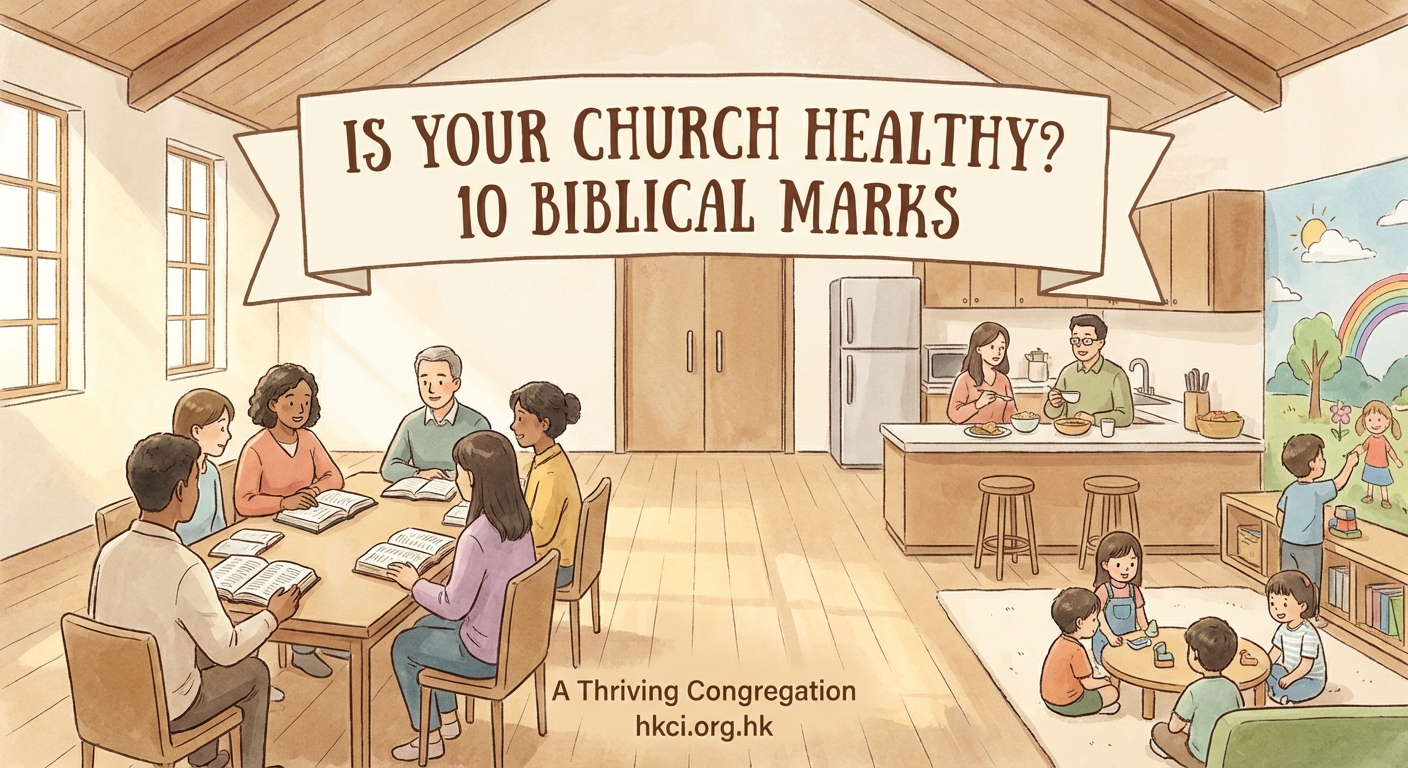
A church that only teaches from the pulpit will produce shallow believers.
Real spiritual growth requires intentional relationships where mature Christians walk alongside newer believers. This happens in small groups, one-on-one mentoring, and informal conversations throughout the week.
Here’s what effective discipleship looks like in practice:
- New believers get paired with mature members who meet regularly for prayer, Bible study, and life application.
- Small groups focus on applying Scripture to real situations rather than just discussing theological abstractions.
- Leaders identify and develop emerging teachers, creating a pipeline of future ministry leaders.
The goal is replication. Every disciple should eventually become a discipler.
Many churches measure success by attendance at programs. Healthy churches measure success by transformed lives and multiplying disciples.
“The church exists to make disciples who make disciples. When that chain breaks, you might have a crowd, but you don’t have a healthy church.” (Anonymous Pastor)
Authentic community reveals itself in the details
People can attend your church for years without experiencing genuine biblical community.
Healthy churches create environments where members know each other beyond surface-level greetings. They share meals, celebrate milestones, and show up during crises.
This kind of fellowship requires intentional structure. You need systems that help new members connect with established ones. You need spaces where people can be honest about struggles without fear of judgment.
Consider these practical markers of authentic community:
- Members regularly invite each other into their homes
- People know specific prayer requests for multiple families
- The congregation responds generously when someone faces financial hardship
- Conflict gets addressed directly rather than through gossip
- Different generations interact meaningfully rather than staying in age-segregated silos
Community also means bearing one another’s burdens. When a family faces medical crisis, job loss, or grief, the church mobilizes with meals, childcare, and practical support.
Biblical leadership protects the flock
Leadership structure matters more than many churches realize.
The New Testament prescribes specific qualifications for elders and deacons. These aren’t suggestions. They’re requirements that protect congregations from unqualified leaders who can cause tremendous damage.
| Leadership Quality | Why It Matters | Common Mistake |
|---|---|---|
| Above reproach | Protects church reputation and witness | Overlooking character flaws because someone is talented |
| Able to teach | Ensures sound doctrine gets transmitted | Appointing leaders based solely on business success |
| Not a new convert | Prevents pride and immature decisions | Rushing recent converts into leadership roles |
| Manages household well | Demonstrates practical shepherding ability | Ignoring family dysfunction in potential leaders |
| Not quarrelsome | Maintains unity and peace | Tolerating divisive personalities because they’re influential |
Healthy churches take time to observe potential leaders before appointing them. They don’t rush the process just because they need to fill positions.
Plurality of elders provides accountability and wisdom. When multiple qualified men shepherd together, they balance each other’s weaknesses and blind spots.
Gospel proclamation extends beyond your walls
A healthy church looks outward, not just inward.
Evangelism should be both corporate and individual. Your church should have strategies for reaching your community while also equipping members to share their faith naturally in daily life.
This doesn’t mean every church needs a massive outreach budget. It means your people should know their neighbors, coworkers, and the barista at their local coffee shop.
Some churches excel at programs but fail at personal evangelism. Others emphasize individual witness but never organize corporate outreach efforts. Healthy churches do both.
Your evangelistic efforts should match your context. Urban churches face different opportunities than rural ones. Immigrant communities require different approaches than established neighborhoods.
Ordinances get practiced with proper understanding
Baptism and communion aren’t just traditions. They’re visual sermons that proclaim gospel truth.
Baptism marks the entry point into visible church membership. It publicly identifies someone with Christ’s death, burial, and resurrection. Healthy churches explain baptism’s significance clearly and don’t rush people into the waters before they understand what they’re doing.
Communion regularly reminds believers of Christ’s sacrifice. The frequency matters less than the seriousness with which you approach the table.
Both ordinances require teaching. Members should understand what these practices mean and why the church observes them. Without proper instruction, they become empty rituals rather than meaningful expressions of faith.
Prayer saturates the culture
You can tell a lot about a church by listening to its prayers.
Healthy churches pray specifically, not just in generalities. They pray for gospel advancement, not just personal comfort. They pray corporately, not just individually.
Prayer meetings reveal priorities. If your prayer gathering focuses exclusively on health concerns and job situations, your church might be missing the bigger picture of God’s kingdom work.
This doesn’t mean ignoring personal needs. It means balancing individual concerns with broader kingdom priorities like missionary work, church planting, and cultural transformation.
Churches that pray together develop spiritual unity that transcends personality differences and preference disputes.
Member care extends to spiritual discipline
Church discipline sounds harsh to modern ears. But it’s actually one of the most loving things a church can do.
When a member falls into persistent, unrepentant sin, the church has a responsibility to intervene. This process, outlined in Matthew 18, aims at restoration, not punishment.
Many churches avoid discipline because it’s uncomfortable. But avoiding it allows sin to spread and damages both the individual and the congregation.
Healthy churches practice discipline redemptively:
- They approach erring members with gentleness and patience
- They keep matters as private as possible while following biblical steps
- They celebrate when restoration happens
- They protect the congregation from false teachers and divisive people
Discipline also includes positive accountability. Members should feel comfortable asking others to help them grow in specific areas of sanctification.
Financial stewardship reflects kingdom priorities
How your church spends money reveals what you actually value.
Healthy churches practice transparency with finances. Members should know where their tithes and offerings go. This builds trust and encourages generosity.
Budget allocation tells the real story. You might say discipleship is a priority, but if your budget dedicates 80% to facilities and 5% to discipleship resources, your actions contradict your words.
Churches should also teach biblical stewardship. Members need instruction on tithing, generosity, contentment, and wise financial management. These topics shouldn’t be taboo.
Generosity flows from transformed hearts, not guilt manipulation. Healthy churches teach giving as an act of worship rather than using pressure tactics to fund programs.
Worship focuses on God, not entertainment
Sunday morning worship reveals your church’s theology.
Music style matters less than lyrical content and congregational participation. Whether you sing hymns or contemporary songs, the words should be doctrinally sound and God-centered.
Worship isn’t a performance for passive observers. It’s the active response of God’s people to his character and works.
Healthy churches balance elements in their services:
- Scripture reading gets prominent placement
- Prayers address God directly rather than preaching at the congregation
- Songs teach doctrine while expressing devotion
- Preaching remains central rather than abbreviated for entertainment
- Ordinances receive appropriate emphasis
The service order should make sense. Each element should flow naturally into the next, creating a cohesive experience of corporate worship.
Mission clarity drives decision making
Every church needs a clear understanding of its purpose.
When you know what God has called your specific congregation to do, decision making becomes easier. You can evaluate new opportunities against your mission rather than chasing every good idea that comes along.
Mission clarity also helps with resource allocation. You can’t do everything, so you need criteria for choosing where to invest time, money, and energy.
Your mission should be specific enough to guide decisions but broad enough to allow flexibility in methods. It should reflect biblical priorities while acknowledging your unique context and gifts.
Churches without clear mission drift toward either maintenance mode or program proliferation. Neither leads to health.
Growing in health takes honest assessment
Evaluating your church’s health requires courage and humility.
Start by gathering your leadership team and working through each characteristic discussed here. Rate your church honestly in each area. Identify specific weaknesses that need attention.
Don’t try fixing everything at once. Choose one or two areas for focused improvement over the next year. Make concrete plans with measurable goals.
Seek outside perspective. Invite a trusted pastor from another church to observe and offer feedback. Fresh eyes often spot issues you’ve grown blind to.
Remember that health and size aren’t the same thing. A small church can be vibrantly healthy while a large church can be spiritually anemic. Focus on biblical markers rather than numerical growth.
Church health isn’t a destination you reach and then maintain effortlessly. It requires constant attention, prayer, and adjustment. But the effort is worth it. A healthy church glorifies God, transforms lives, and advances his kingdom in ways that numbers alone never capture. Your congregation deserves leadership that pursues genuine spiritual vitality over superficial success metrics.