
Your eight-year-old comes home from school asking why her teacher said the Bible is just a book of stories. Your teenager scrolls through social media where every value you’ve taught seems mocked or dismissed. Your middle schooler feels isolated because he’s the only one who doesn’t watch the shows everyone talks about.
These moments hit hard. Raising Christian kids in a secular world means preparing them to stand firm when everything around them pulls in a different direction.
Christian parents face unique challenges raising children who encounter secular values daily in schools, media, and peer groups. This guide provides seven biblical principles to build spiritual resilience in your kids, helping them confidently maintain their faith while engaging respectfully with a culture that often contradicts biblical teaching. These practical strategies equip families to create home environments where faith grows stronger, not weaker, despite external pressures.
Building a Foundation Before the Storms Hit
You can’t wait until your child faces a faith crisis to start building their spiritual foundation. The work begins now, in ordinary moments.
Think of spiritual formation like learning a language. Children who grow up hearing and speaking it naturally become fluent. Kids who only encounter faith on Sunday mornings struggle to apply it Monday through Saturday.
Start with consistent family rhythms. Pray before meals. Read Scripture together at bedtime. Talk about God’s character when you’re driving to soccer practice or folding laundry together.
These small moments accumulate. Your daughter learns that faith isn’t compartmentalized into one hour per week. Your son sees that God’s truth applies to homework stress, friendship drama, and decisions about what to watch.
The goal isn’t perfection. You’ll miss days. Conversations will feel awkward at first. That’s normal. What matters is the pattern you’re establishing.
Teaching Them to Think, Not Just Obey
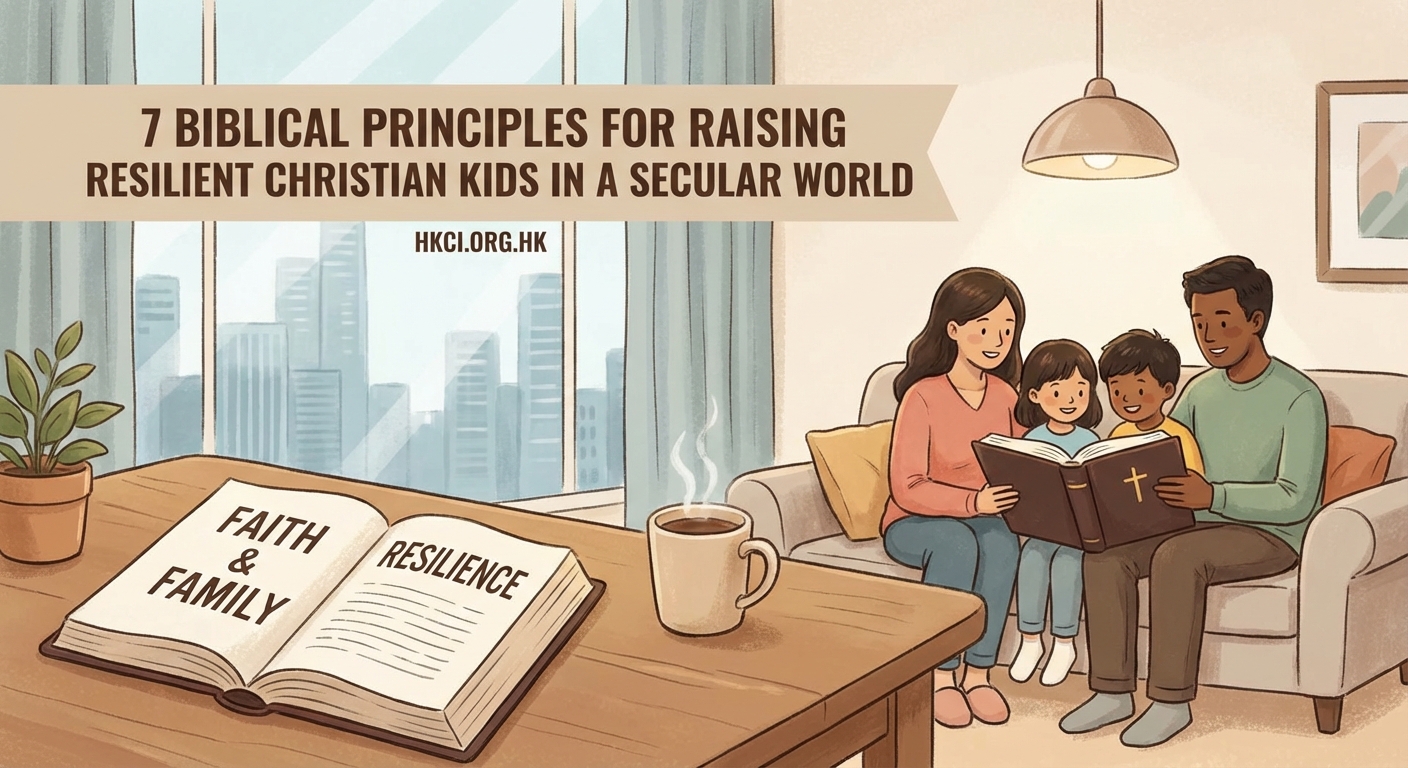
Your kids will encounter ideas that contradict what you’ve taught them. Count on it.
The question isn’t whether they’ll face challenges to their faith. It’s whether they’ll have the tools to process those challenges biblically.
Many Christian parents default to “because I said so” or “because the Bible says so” without helping their children understand the why behind biblical commands. This creates fragile faith that crumbles under pressure.
Instead, teach your kids to think critically through a biblical lens.
When your daughter asks why her friend’s parents are divorcing, don’t just say “divorce is wrong.” Talk about God’s design for marriage, the pain of broken relationships, and how we show compassion to people experiencing hard things even when we hold different values.
When your son hears his teacher present evolution as settled fact, don’t panic. Help him understand what Christians believe about creation, why people hold different views, and how to respectfully engage with ideas he disagrees with.
“Train up a child in the way he should go; even when he is old he will not depart from it.” Proverbs 22:6 reminds us that training involves equipping children to walk the path themselves, not just following us blindly.
This approach takes more time and energy than simply giving rules. But it produces young adults who own their faith rather than inheriting a secondhand version they abandon at college.
Creating Space for Hard Questions
Your kids need permission to ask the questions that scare you.
What if God isn’t real? Why does the Bible have rules that seem harsh? How do we know Christianity is true and other religions are wrong?
These questions don’t signal weak faith. They signal a mind that’s engaging seriously with what it believes.
The worst response is shutting down questions or acting shocked that your child would even think such things. That teaches them to hide doubts rather than working through them.
Create regular opportunities for open conversation. Family dinners work well. So do one-on-one time with each child. Car rides provide natural space for deeper talks without the pressure of eye contact.
When your child asks a hard question, thank them for bringing it to you. Admit when you don’t have all the answers. Research together. Show them that mature faith wrestles with difficult things rather than pretending they don’t exist.
Some questions to normalize in your home:
- Why do bad things happen to good people?
- How do we know the Bible is trustworthy?
- What about people who never hear about Jesus?
- Why does God seem different in the Old Testament versus the New Testament?
- How should Christians think about science and faith?
Modeling Authentic Faith in Real Time
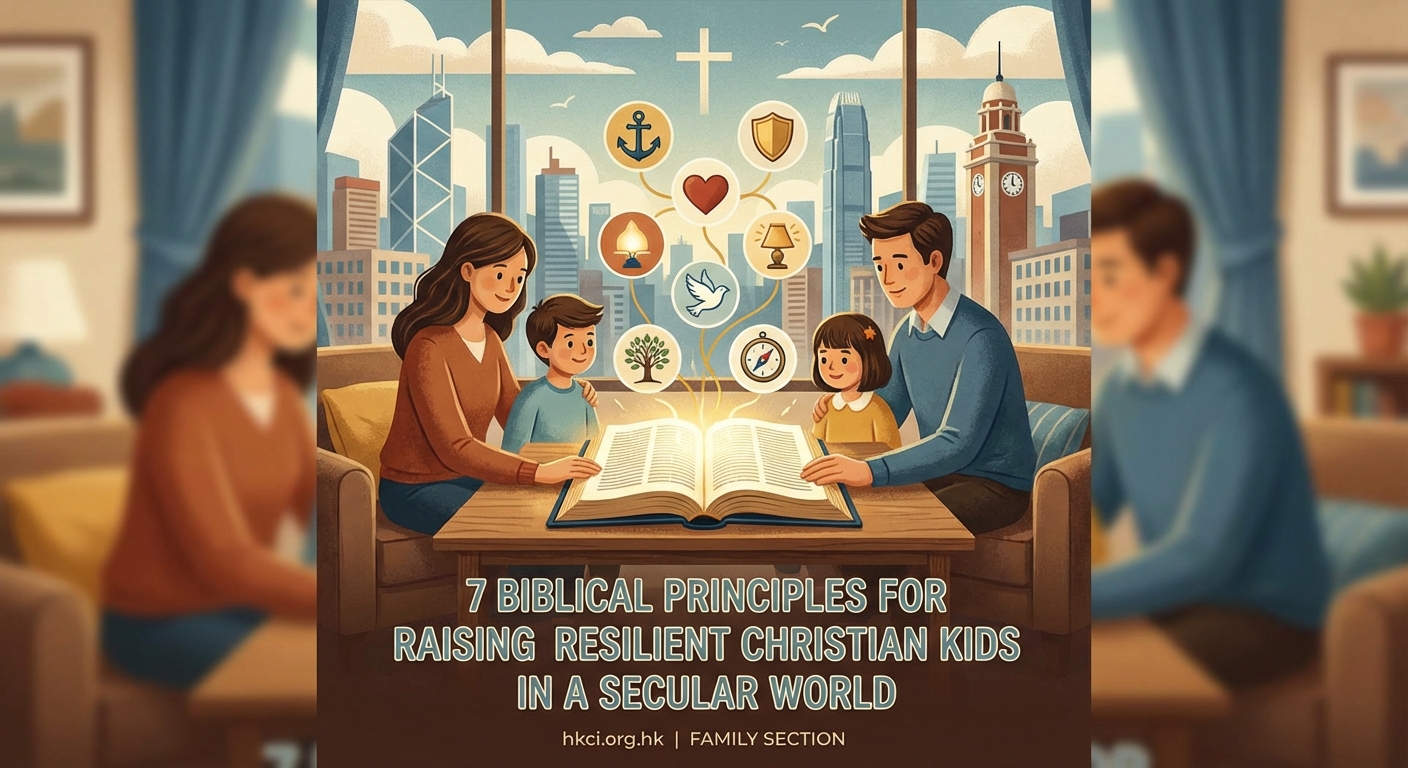
Your kids are watching how you handle disappointment, stress, conflict, and failure.
They notice whether you actually pray about problems or just tell them to pray. They see whether you forgive people who hurt you or hold grudges. They observe how you talk about people who disagree with you politically or theologically.
Authentic faith doesn’t mean perfect faith. It means honest faith.
Let your kids see you struggle. When you’re anxious about finances, tell them you’re choosing to trust God even though it’s hard. When you lose your temper, apologize and ask forgiveness. When you face a moral dilemma at work, talk through how you’re applying biblical principles to the situation.
This vulnerability does something powerful. It shows your children that following Jesus is a real, daily choice, not a performance you put on.
It also prepares them for their own struggles. They’ll know that doubt, fear, and failure don’t disqualify them from faith. They’ll have seen you press into God during hard seasons rather than pretending everything is fine.
Equipping Them for Cultural Engagement
Your kids don’t live in a Christian bubble. They shouldn’t.
Jesus prayed that His followers would be in the world but not of it. That means your children need to learn how to engage with secular culture thoughtfully rather than either hiding from it or absorbing it uncritically.
This requires discernment, which develops over time through practice.
Start young by explaining why your family makes certain media choices. Don’t just ban shows or games. Help your kids identify messages that contradict biblical values.
As they get older, give them increasing responsibility for their own choices within boundaries you set. A twelve-year-old might choose which movies to watch from a pre-approved list. A sixteen-year-old might have more freedom but regular conversations about what they’re consuming and how it’s affecting them.
| Age Range | Parental Role | Child’s Responsibility |
|---|---|---|
| 5-9 years | Direct all media choices, explain reasoning | Begin identifying positive vs. negative messages |
| 10-13 years | Provide approved options, discuss content together | Choose within boundaries, articulate concerns |
| 14-17 years | Set guidelines, monitor patterns, engage in dialogue | Make independent choices, self-evaluate impact |
Teach your kids to ask good questions about the media they consume:
- What worldview does this represent?
- How does it portray relationships, authority, and morality?
- What would a biblical perspective say about this?
- Is this content helping me grow or pulling me away from God?
The goal isn’t isolation. It’s wisdom. You’re preparing them to live as Christians in a world that doesn’t share their values.
Building Community Around Your Family
You can’t do this alone. Neither can your kids.
Christian community provides essential support for families raising kids in a secular context. Your children need to see other families living out biblical values. They need friendships with peers who share their faith.
This doesn’t mean only associating with Christians. Your kids need relationships with non-Christian friends too. But they also need a core community where their faith is normal, not weird.
Prioritize church involvement beyond Sunday services. Youth groups, small groups, and service opportunities help your kids build relationships with other Christian families.
Look for mentors outside your immediate family. Grandparents, youth leaders, and family friends can speak truth into your children’s lives in ways they might not receive from you.
Create space in your home for community. Host other families for meals. Let your kids have Christian friends over regularly. Model hospitality and generosity.
These relationships become lifelines during difficult seasons. When your teenager feels like the only Christian at school, she needs friends who get it. When your son faces peer pressure, he needs examples of other young men choosing to follow Jesus.
Preparing Them for Spiritual Independence
The ultimate goal isn’t raising kids who follow your faith. It’s raising adults who own their own relationship with Jesus.
This shift happens gradually but intentionally. You’re moving from being the primary source of spiritual input to being a supportive guide as they develop their own practices.
Here’s a practical progression:
- Elementary years: You lead family devotions, prayer times, and Scripture reading. They participate and learn the rhythms.
- Middle school years: They begin having personal quiet times with your guidance. You provide devotional resources and check in regularly about what they’re learning.
- High school years: They own their spiritual disciplines. You’re available for questions and accountability but not managing their daily practices.
This doesn’t mean hands-off parenting. It means appropriate responsibility at each stage.
A high schooler who’s never had to maintain their own spiritual life will struggle when they leave home. College freshmen often abandon faith not because they stop believing but because they never developed personal spiritual habits independent of their parents’ structure.
Give your teenagers increasing freedom to make their own choices about church involvement, ministry participation, and spiritual practices. Let them experience natural consequences when they neglect their relationship with God.
Stay engaged through questions rather than lectures. “How’s your relationship with God right now?” opens conversation better than “Are you reading your Bible?”
Common Mistakes That Undermine Your Efforts
Even well-intentioned Christian parents make predictable errors that weaken rather than strengthen their children’s faith.
Understanding these pitfalls helps you avoid them.
| Mistake | Why It’s Harmful | Better Approach |
|---|---|---|
| Sheltering kids from all secular influence | Creates inability to function in real world | Teach discernment through guided exposure |
| Making faith about rules rather than relationship | Produces legalism or rebellion | Emphasize knowing God, not just obeying rules |
| Expecting perfection | Creates shame and hiding | Normalize struggle and repentance |
| Fighting every cultural battle | Exhausts family and obscures major issues | Choose battles wisely based on biblical priorities |
| Demonizing non-Christians | Teaches arrogance instead of compassion | Model respect and genuine love for all people |
The sheltering mistake deserves special attention. Some parents try to protect their kids by eliminating all exposure to secular ideas. This backfires.
Children raised in extreme isolation often lack the skills to process challenging ideas when they inevitably encounter them. They also miss opportunities to develop their own convictions through testing what they believe.
Protection has its place, especially with young children. But overprotection creates vulnerability rather than resilience.
Your goal is raising kids who can engage thoughtfully with secular culture, not kids who’ve never encountered it.
When Your Child Walks Away
This is the fear that keeps Christian parents awake at night. What if you do everything right and your child still rejects faith?
It happens. Not because you failed, but because faith is ultimately a personal choice.
If your child is questioning or walking away from Christianity, resist the urge to panic, lecture, or emotionally manipulate them back.
Stay in relationship. Keep loving them unconditionally. Make it clear that your home is safe space regardless of where they land spiritually.
Continue praying. Trust that God loves your child more than you do and is still working in their life even when you can’t see it.
Many young adults who walk away from faith in their late teens or early twenties return later. The seeds you planted don’t disappear. They may lie dormant for a season, but they’re still there.
Your job isn’t to control your child’s faith journey. It’s to faithfully point them toward Jesus and trust God with the outcome.
Practical Steps You Can Take This Week
Theory is helpful, but you need concrete actions.
Here’s what you can implement immediately:
- Schedule three family mealtimes this week where phones are put away and you ask each person to share one thing they’re grateful for and one thing that’s hard right now.
- Choose one Bible story to read together before bed and talk about what it reveals about God’s character.
- Identify one area where your child faces secular pressure (school, sports, social media) and have a conversation about how to navigate it biblically.
- Reach out to another Christian family and schedule time together in the next two weeks.
- Ask each of your kids one open-ended question about their faith and really listen to their answer without jumping to correct or teach.
Don’t try to overhaul everything at once. Small, consistent steps create lasting change better than ambitious plans that fizzle out.
Keeping Perspective Through the Long Journey
Raising Christian kids in a secular world is marathon work, not a sprint.
You’ll have days when you feel like you’re failing. Your kids will make choices that disappoint you. They’ll struggle with doubts. They’ll be influenced by peers and culture in ways that concern you.
That’s all normal.
Remember that spiritual growth isn’t linear. Your child might seem strong in faith one year and distant the next. Adolescence especially brings questioning and testing of childhood beliefs.
Don’t interpret every struggle as failure. Often, these challenges are necessary parts of developing authentic, personal faith.
Keep showing up. Keep praying. Keep modeling what it looks like to follow Jesus imperfectly but persistently.
Your faithfulness matters more than you realize. Years from now, your adult children will remember not that you had all the answers, but that you loved them well, pointed them toward Jesus, and gave them space to own their faith.
That’s the legacy worth building, one ordinary day at a time.